Need Help? Call Us +1 519-619-9402

Everest Base Camp Trek - 14 Days

Trip Facts

  • Duration 14 Days
  • Trip Grade Challenging
  • Max Height 5645m.
  • Start From Kathmandu
  • Ends at Kathmandu
  • Group Size 2-10
  • Transportation Jeep and Flight
  • Trip Meals Breakfast, Lunch & Dinner
  • Accommodation Hotel and Tea House
  • Best Season March to May and September to November
From US$ US$ 1450 (Price varies by group size)

We Offer Group Discount

No. of people Price P.P
1 US$ 1550
2 to 5 US$ 1395
6 to 10 US$ 1325
11 - Above US$ 1325

Talk to an Expert

Sital Subedi Bhupal Sangroula

sital@hitthehimalaya.com
bhupal@hitthehimalaya.com

+1 519-619-9402

Highlights

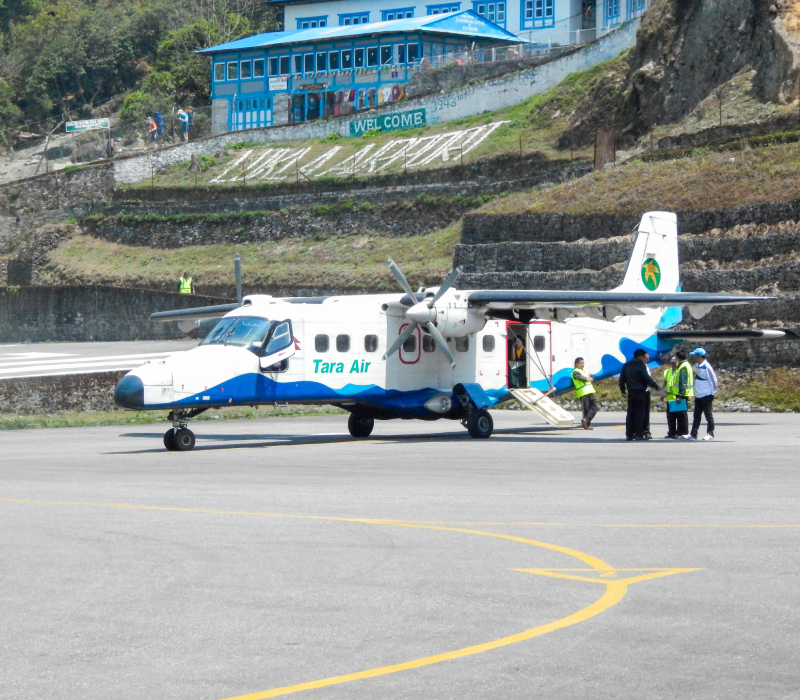
  • Start your ultimate adventure with a scenic flight to the world’s most dangerous airport, Lukla.
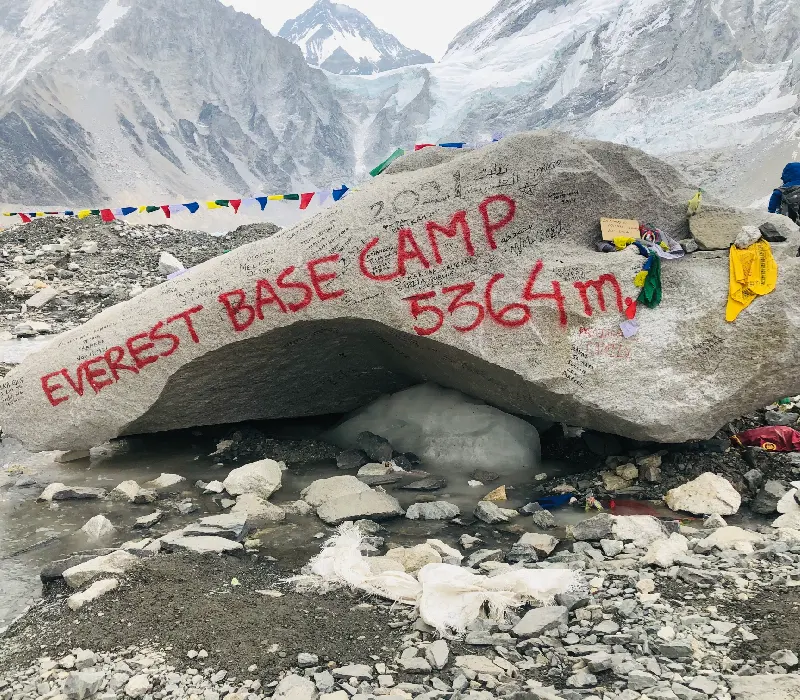
  • Step onto the World’s highest Mt. Everest Base Camp 5364 m.
  • Explore the giants from the majestic viewpoint in the world called Kalapatthar, 5644 m.
  • Experience the Buddhist tradition at Tengboche Monastery.
  • Walk above Nepal’s biggest Khumbu glacier.
  • Take the opportunity to explore the Hillary Museum
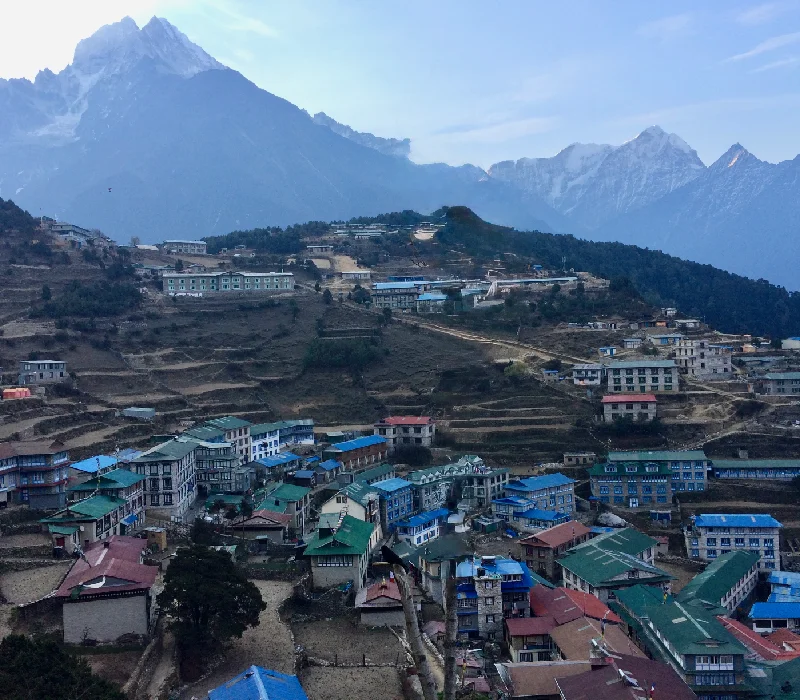
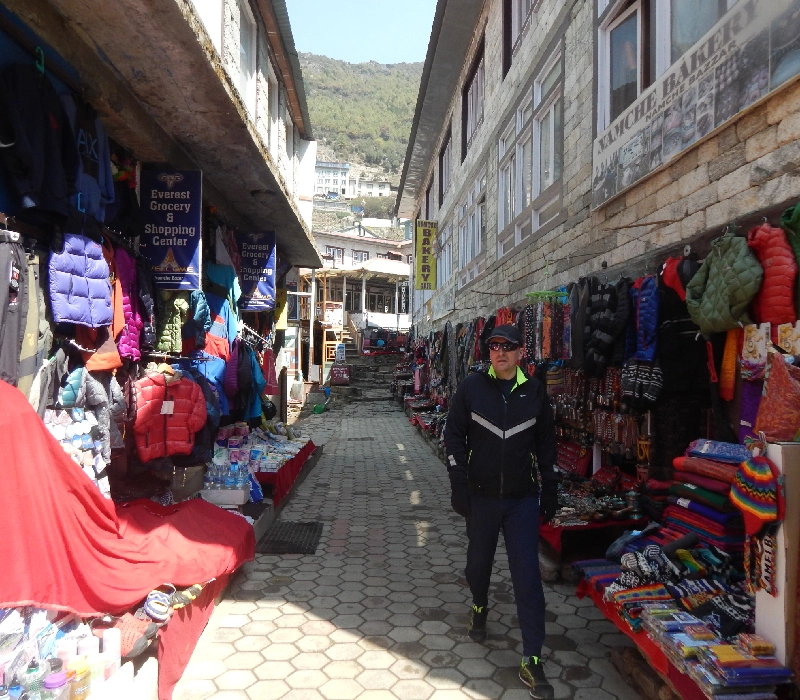
  • Stay in Namche Bazaar, the Sherpa capital and a gateway to Everest.
  • Discover Sagarmatha National Park and its amazing flora and fauna.
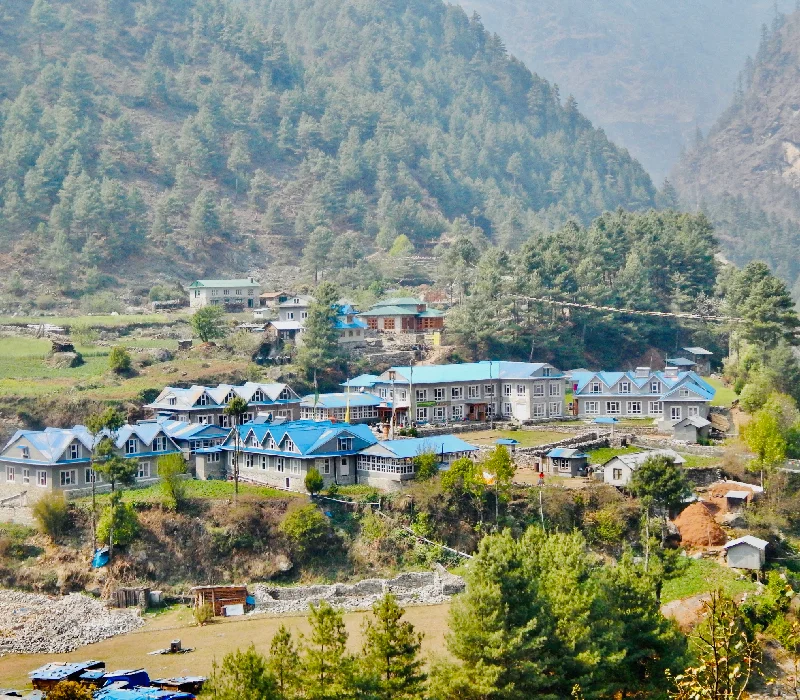
  • Experience one of the biggest Sherpa settlement in the whole of Nepal and their culture, traditions & hospitality
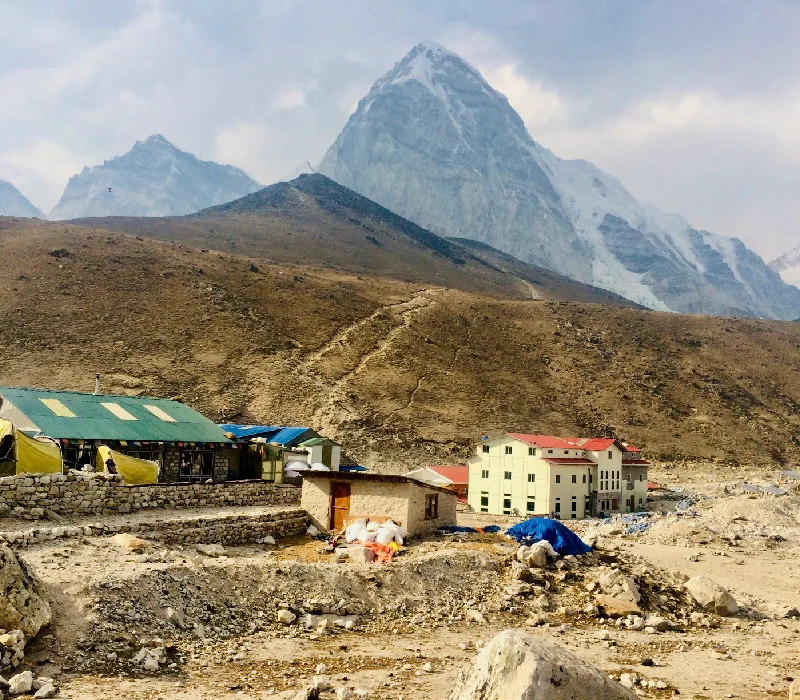
  • Please your eyes with stunning views of Mount Everest, Ama Dablam, Nuptse, Lhotse, Makalu, Pumori and Cho Oyu mountains.

Overview

The Everest Base Camp (EBC) Trek is the most famous and trafficked trek that takes you to the majestic Mount Everest (8848.48 m). The trek offers a spectacular view of the four highest mountains in the world (Mt. Everest, Mt. Lhotse, Mt. Cho Oyu, and Mt. Makalu). This is the most beautiful and exciting of all trekking routes in Nepal.  As you ascend and descend the trails, you will be astounded to witness the views every day. The craggy, steep slopes and beautiful monasteries will leave you in awe.

This trekking route offers ample opportunities to witness stunning peaks, including Ama Dablam (6170 m), Pumori (7161m), and Nuptse (7861m), along the way. The trail leads you to the mighty Everest, passing through hills and beautiful villages inhabited by multiple ethnic groups, including Sherpa, Tamang, Gurung and many more. You can enjoy the unique hospitality, lifestyle, and culture and enjoy traditional cuisine along with Nepali food (Daal Bhat). You will pass rivers, suspension bridges, slippery rocks, and rhododendron forests, making your trek a lifetime memory. This could be a once-in-a-lifetime experience for any adventure lover. Everest Base Camp is best visited in the spring (April-May) and Autumn (September-October).

From US$ US$ 1450 (Price varies by group size)

We Offer Group Discount

No. of people Price P.P
1 US$ 1550
2 to 5 US$ 1395
6 to 10 US$ 1325
11 - Above US$ 1325

Talk to an Expert

Sital Subedi Bhupal Sangroula

sital@hitthehimalaya.com
bhupal@hitthehimalaya.com

+1 519-619-9402

Day 1 Welcome to Kathmandu

  • Walking DistanceN/A
  • Highest Altitude1400 m / 4593 ft
  • Accommodation3 star Hotel
  • Included mealsBreakfast
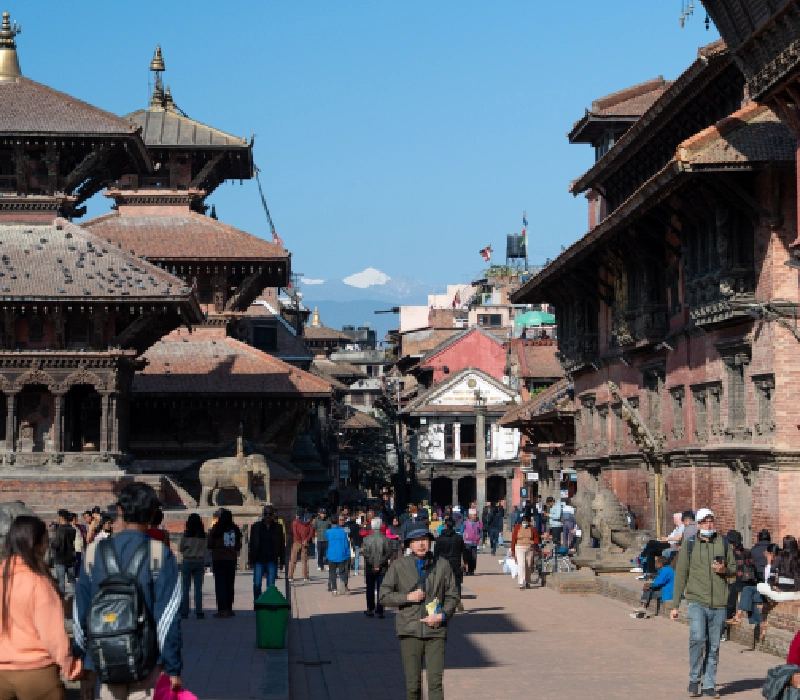
Your ultimate adventure starts with your landing in Kathmandu valley surrounded by beautiful green hills and alluring Mountain views. You will be welcomed by our representative at the airport gate. Following that, you will be transferred to the respective hotel nearby to rest and refresh in order to avoid Jet lag. Today you can just explore nearby areas.

Day 2 Explore Kathmandu / Trek Preparation

  • Walking DistanceN/A
  • Highest Altitude1400 m / 4593 ft
  • Accommodation3 star Hotel
  • Included mealsBreakfast
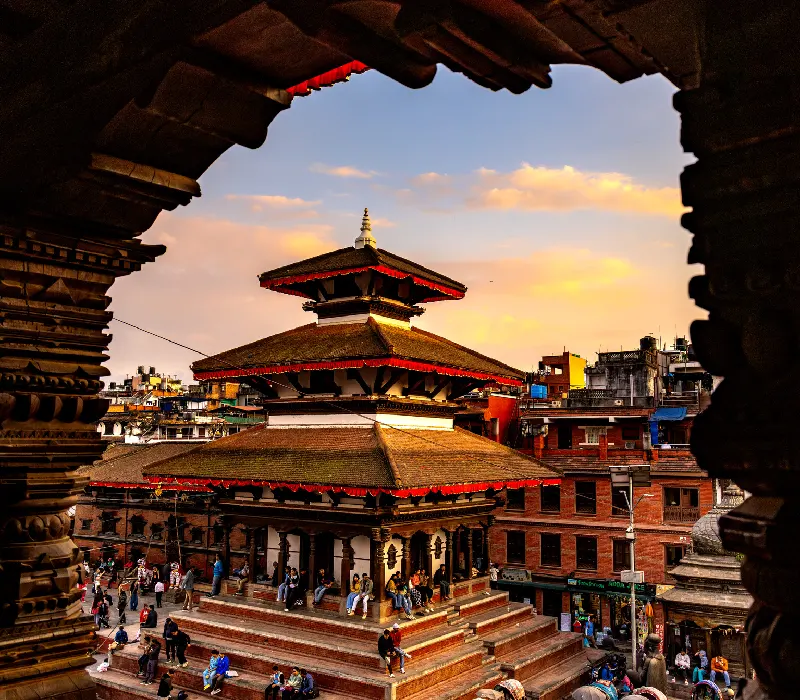
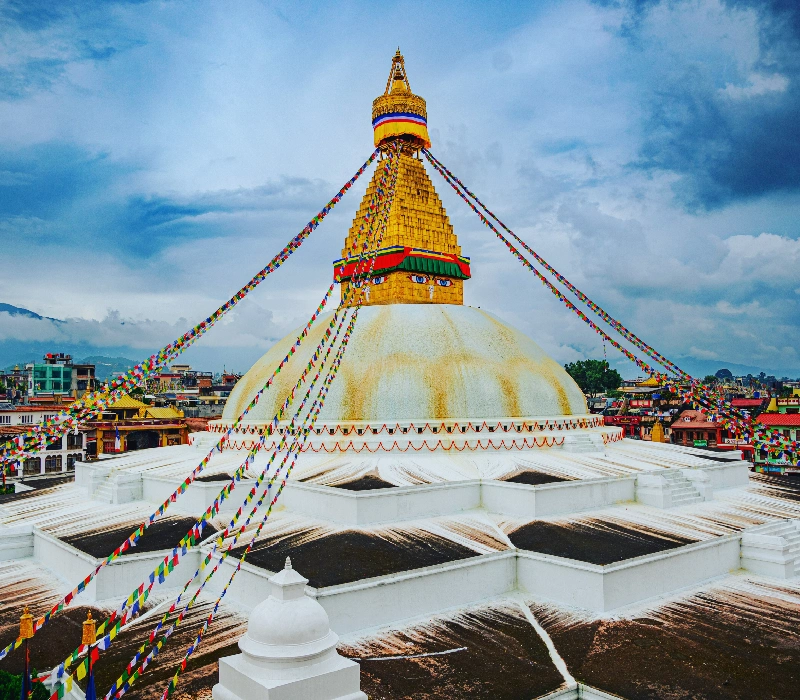
Staying a night prior to start is essential. We recommend you to explore and get acclimated before starting a trek if you are coming from sea level. While flights to Lukla are difficult to catch, we will book your ticket as soon as possible. You will enjoy the beauty of historical monuments, along with Hindu and Buddhist temples and pilgrimage sites. Kathmandu is home to seven UNESCO World Heritage Sites worth visiting and experiencing. You will enjoy many choices of restaurants and meals providing both local and western foods. You can imagine the types of cuisine they offer. You can get your trekking gear from a shop nearby if you need anything for your trek. This evening, our representative will give you a briefing about the trek and address your queries in the best possible way.

Day 3 Drive to Ramechhap, fly to Lukla & trek to Phakding

  • Walking Distance7.1 km
  • Highest Altitude2610 m / 8563 ft
  • AccommodationTea House
  • Included mealsBreakfast, Lunch & Dinner
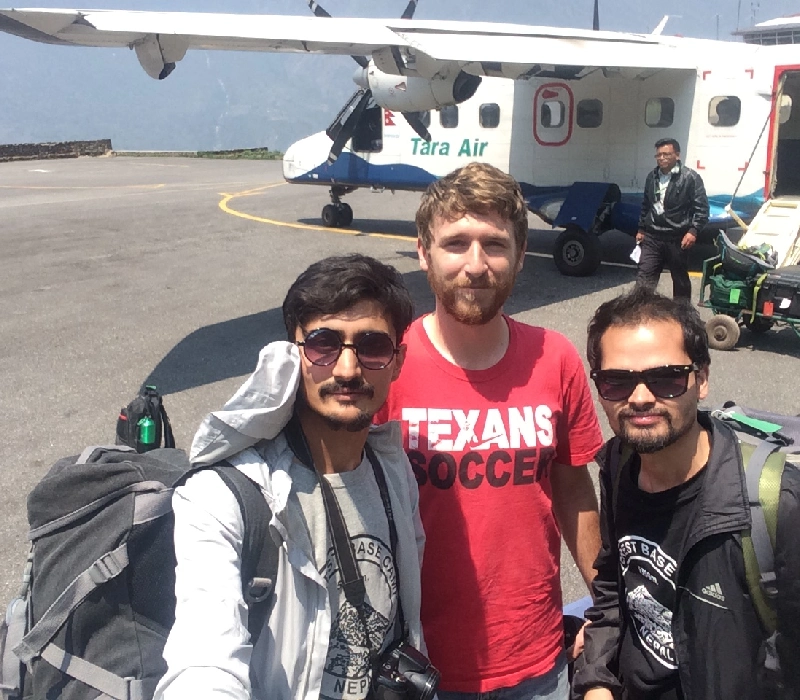
Are you ready for the adventure? Let’s go! Early morning you will be picked up from the hotel by our representative with a guide for your trek. You will enjoy your exciting flight from Kathmandu to Lukla. You will enjoy the aerial view of the mountains along with a glimpse of mighty Everest from your window. As soon as you land at Lukla Airport (Tenjin Hilary Airport), we will have a short rest and breakfast before starting our trek. Following that, you will begin your short trek to Phakding, which will be around 3-4 hrs. Today we will spend the night ina beautiful hotelon the bank of Dudh Koshi.

Day 4 Trek from Phakding to Namche Bazar

  • Walking Distance10.8 km
  • Highest Altitude3440 m / 11286 ft)
  • AccommodationTea House
  • Included mealsBreakfast,Lunch & Dinner
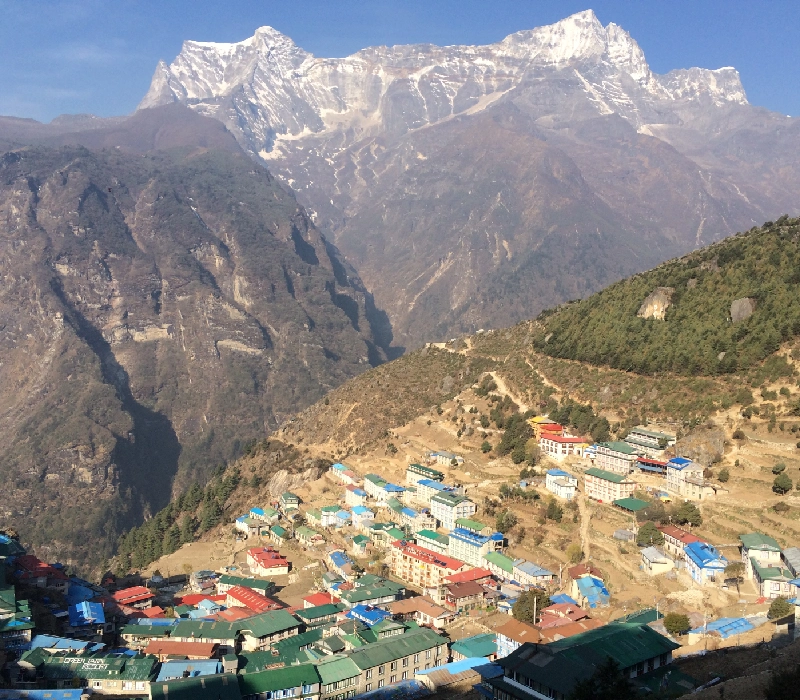
Today, we will trek up to Namche Bazaar, passing the beautiful Monjo village along the way, where we will have a few minutes' break to get ready for the ascent. Now, you will enter the National Park area. We have to buy a ticket for the entry. The trail continues sharply uphill for almost two hours before reaching Namche Bazaar. In route, you will crossa few suspension bridgesincludingthe Hillary suspension bridge right above the confluence of two beautiful Bhote Koshi and Dudh Koshi rivers.Today is going to be a little more demanding than the prior one. Today we are going to spend a night at the beautiful Namche Bazaar.

Day 5 Acclimatization Day at Namche Bazar

  • Walking Distance5 km
  • Highest Altitude3880 m / 12730 ft)
  • AccommodationTea House
  • Included mealsBreakfast,Lunch & Dinner
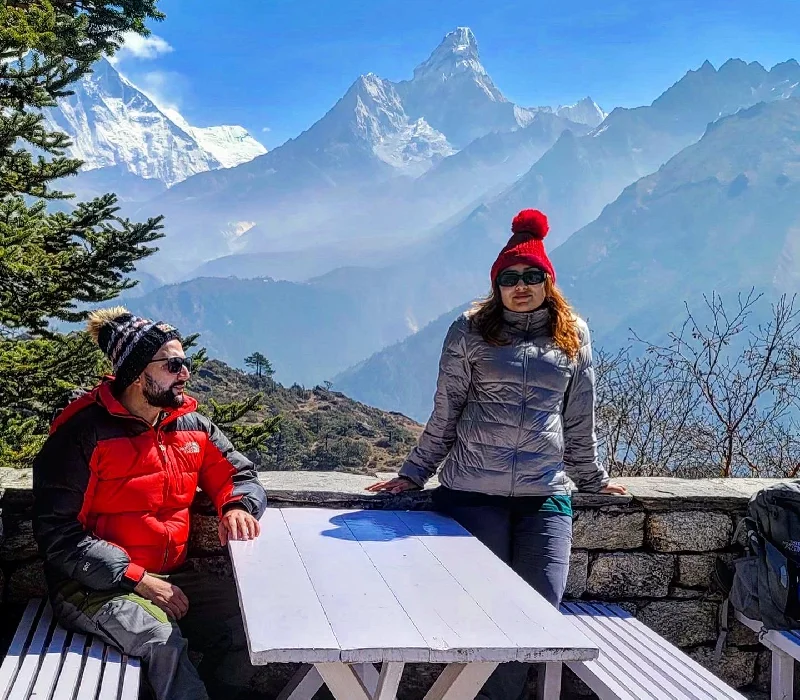
Acclimatization is indeed an additional day to expose your body to a new height. However, you will spend the night back in the same place. This is done to help your body adjust and avoid altitude sickness along the journey. Today, we will hike up to 3600m-3800/11810 - 12730ft to enjoy the beautiful view of Mt. Everest and explore the Sherpa Museum. We will acclimate, relax and enjoy the view from the top; this will help as we progress to higher and higher altitudes. We will have tea and breakfast at Everest View Hotel, from where you will enjoy the panoramic view of Mt. Everest, Mt. Amadablam, Mt. Kongde, Mt. Nuptse, Thamserku, and many more. After a few hours of rest, we will get back to Namche for lunch. Now, you have a half-day to explore and enjoy your time.

Day 6 Trek from Namche Bazar to Tengboche

  • Walking Distance10.7 km
  • Highest Altitude3860 m / 12664 ft
  • AccommodationTea House
  • Included mealsBreakfast,Lunch & Dinner
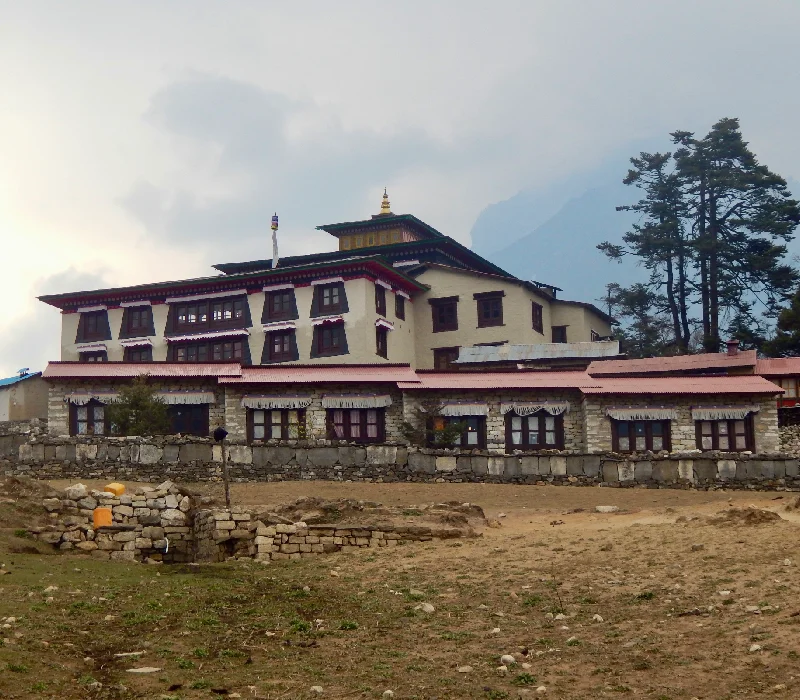
A walk from Namche Bazaar to Tengboche Monastery is one of the most memorable sections of the Everest Base Camp trek. The route combines dramatic mountain views, forests, suspension bridges, and a gradual transition into the heart of the high Himalayas. The day begins by climbing out of Namche's stone alleys and terraces. Soon the trail settles into a relatively gentle contour along the mountainside. To your left, steep valleys plunge toward the river; ahead, snow-covered peaks dominate the skyline.

From Phunki Tenga, the trail climbs steadily for roughly 600 meters (about 2,000 feet) through forests of rhododendron, pine, and fir. During spring, the rhododendrons bloom in brilliant reds and pinks.

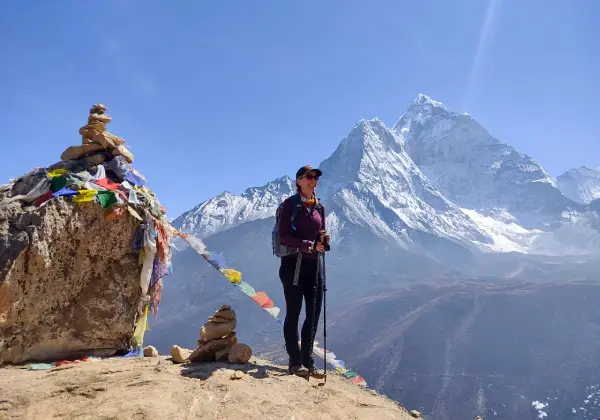
The ascent is continuous rather than technical. As you gain height, openings in the trees reveal increasingly dramatic views of Ama Dablam, whose elegant pyramid shape seems to grow larger with every switchback. Eventually the forest opens onto a broad ridge, and the famous monastery of Tengboche appears against a backdrop of towering Himalayan peaks.

Day 7 Trek from Tengboche to Dingboche

  • Walking Distance9.8 km
  • Highest Altitude4410 m / 14468 ft
  • AccommodationTea House
  • Included mealsBreakfast,Lunch & Dinner

The day typically begins near the famous Tengboche Monastery, often with crisp morning air and views of Ama Dablam. The trail descends through rhododendron and juniper forest toward Deboche. In spring, these forests can be filled with colourful blossoms; in autumn, the air is often exceptionally clear.

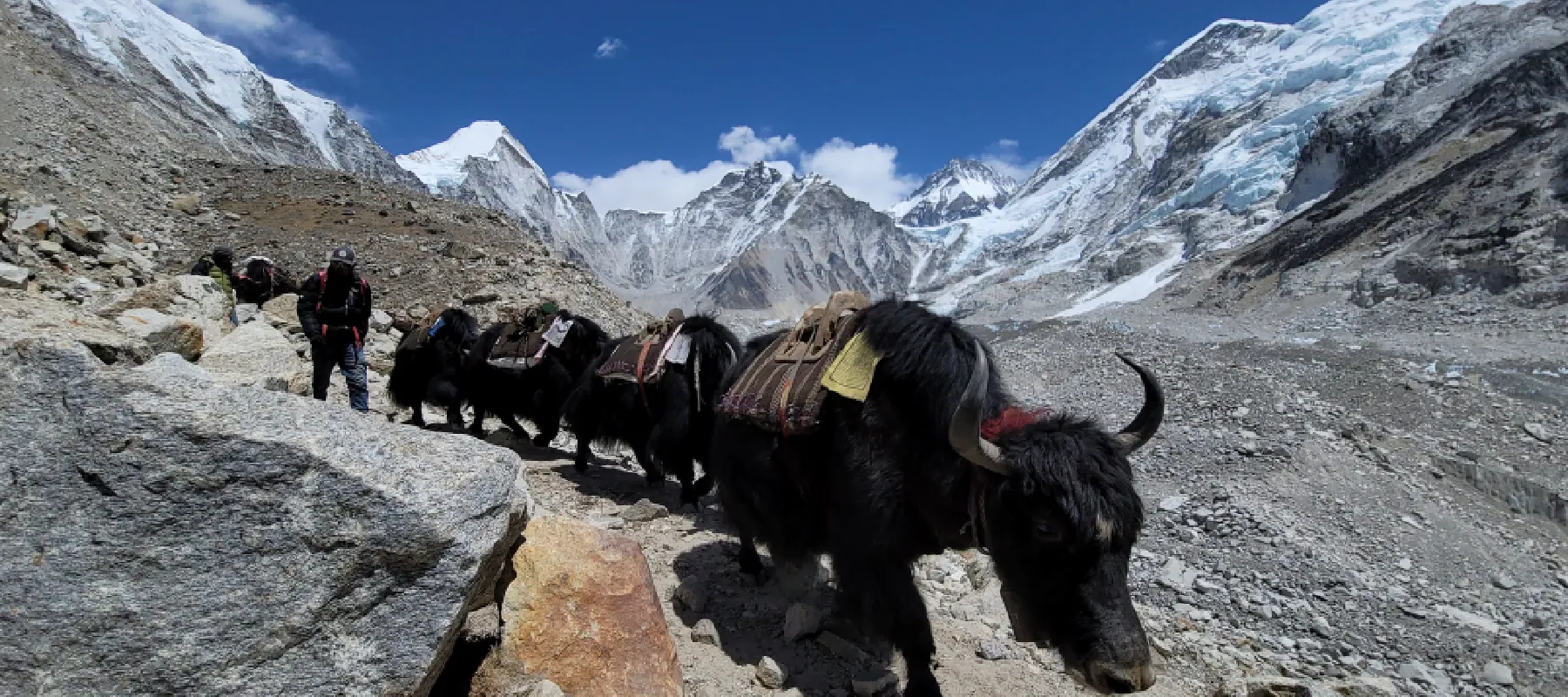
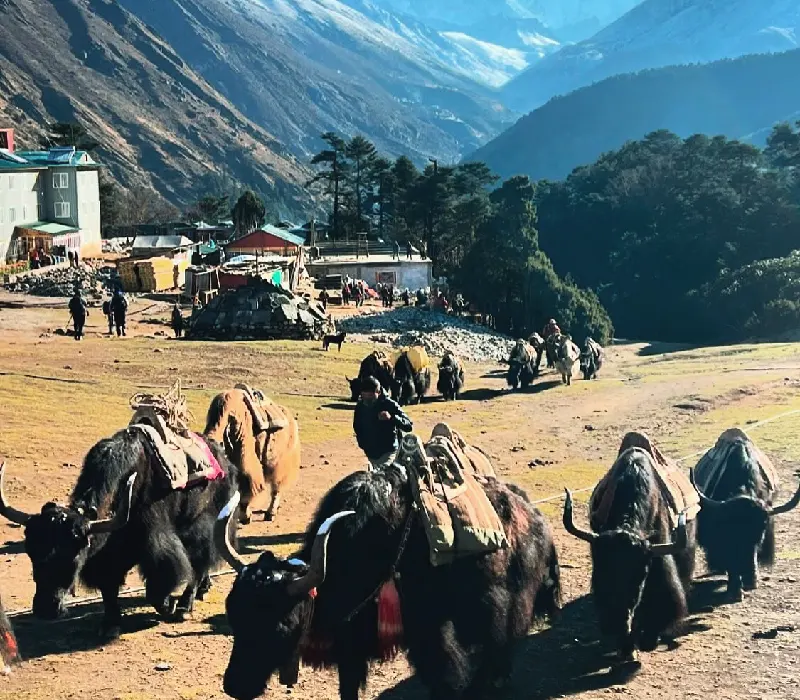
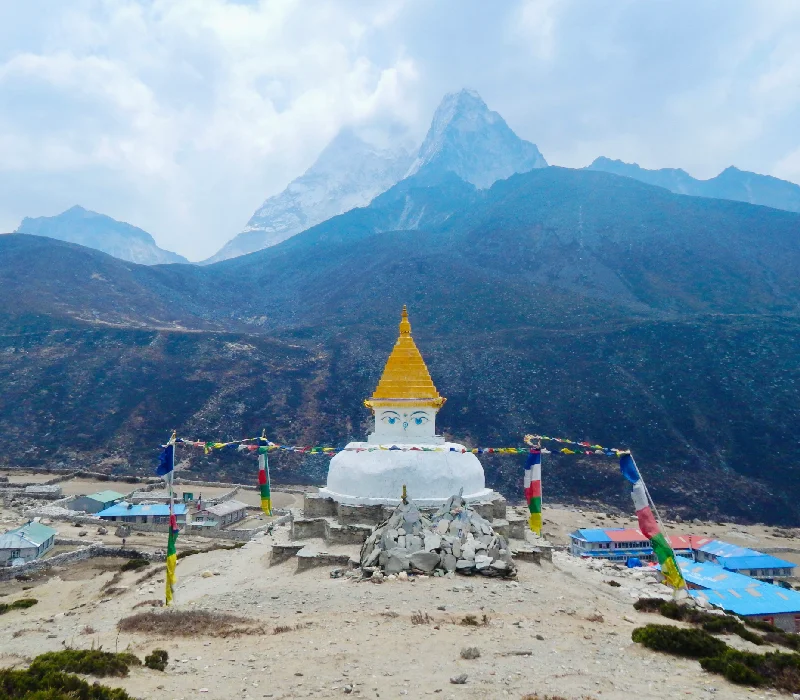
After passing Deboche, the path continues downhill to a bridge crossing the Imja Khola. You'll likely hear the river long before you reach it, rushing through a steep, rocky valley fed by glaciers high above. This is one of the easier sections physically, allowing you to enjoy the scenery before the main climb begins. From the river, the trail climbs steadily to Pangboche, one of the oldest Sherpa settlements in the region. Beyond Pangboche, the landscape changes noticeably. Trees become sparse, replaced by shrubs, grass, and rocky terrain. The air feels thinner, and you'll likely notice your pace slowing naturally as you gain altitude. Yak caravans are common in this area, carrying supplies.

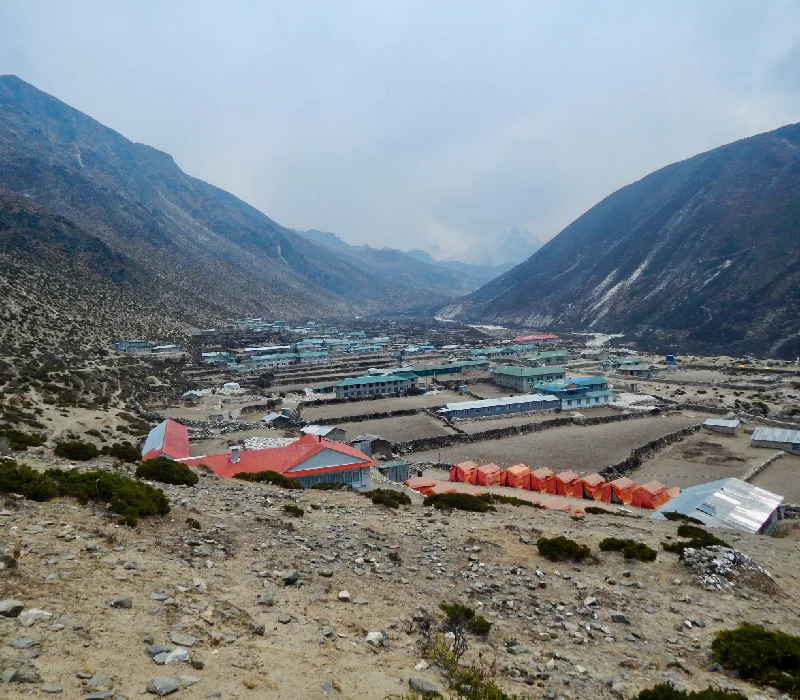
Eventually the valley opens, revealing the stone-walled fields and lodges of Dingboche. At about 4,410 m (14,470 ft), it sits noticeably higher than Tengboche, and many trekkers feel the effects of altitude more strongly upon arrival.

Day 8 Acclimatization day at Dingboche

  • Walking Distance4.2 km
  • Highest Altitude5083 m / 16677 ft
  • AccommodationTea House
  • Included mealsBreakfast,Lunch & Dinner

You will start your day slowly since this is your second and most important acclimatization day. After a morning breakfast, we will prepare to climb Nangkartshang Peak as our acclimatization hike. The walk from Dingboche to Nangkartshang Peak is one of the classic acclimatization hikes on the Everest Base Camp trek. The trail starts steeply immediately without any flatness as we start hiking up. As you look down, you will notice a village shrinking rapidly.

Now take it easy and take enough rest, stop for water breaks and catch your breath. A few switchbacks through grassy and rugged slopes lead you slowly to the peak, and the views will become spectacular. Ama Dablam peak dominates the skyline, while you will notice a glimpse of other giants as well.

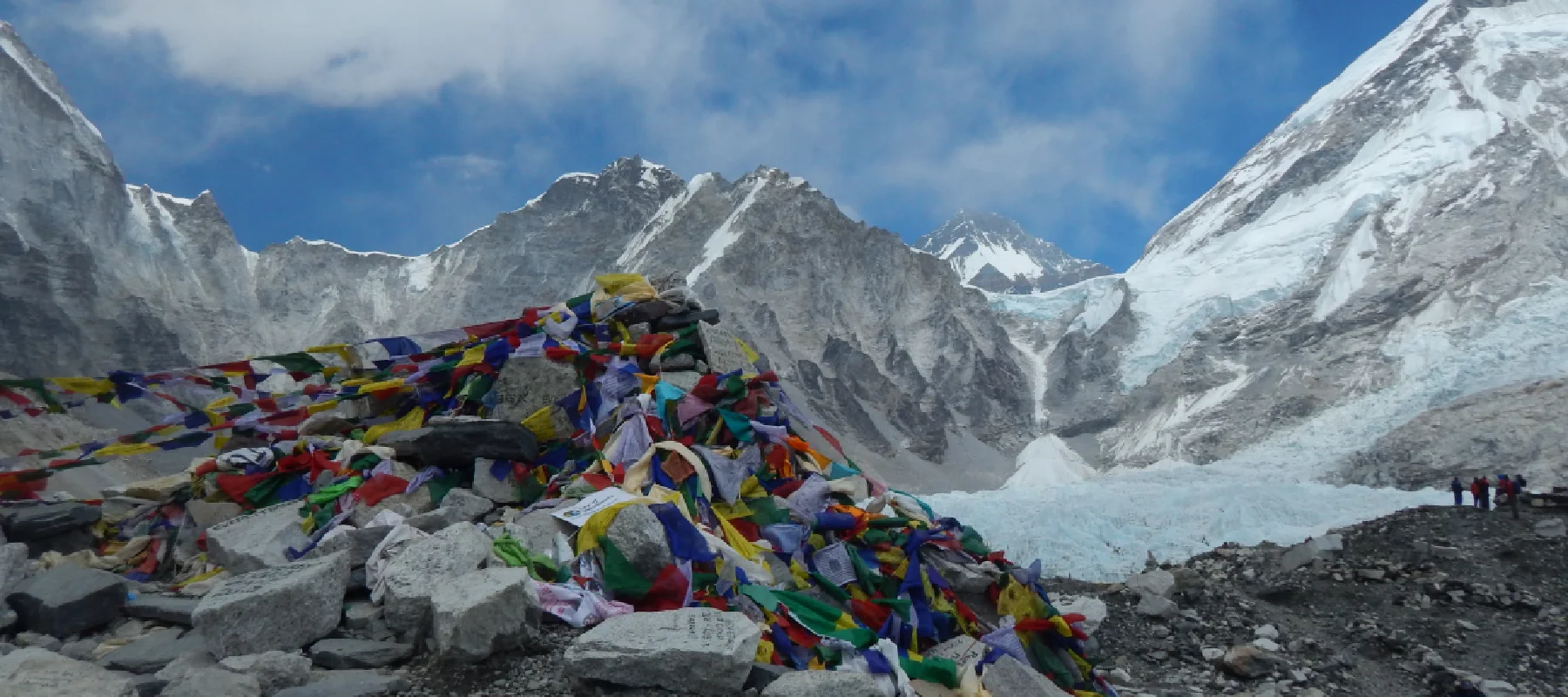
Upon reaching the viewpoint, you will see prayer flags fluttering in the wind. This might be the best viewpoint to see the Everest Base Camp trail. It is better to spend some time here to get used to the elevation before descending to Dingboche.

Day 9 Trek from Dingboche to Lobhuche

  • Walking Distance8.8 km
  • Highest Altitude4910 m / 16109 ft
  • AccommodationTea House
  • Included mealsBreakfast,Lunch & Dinner
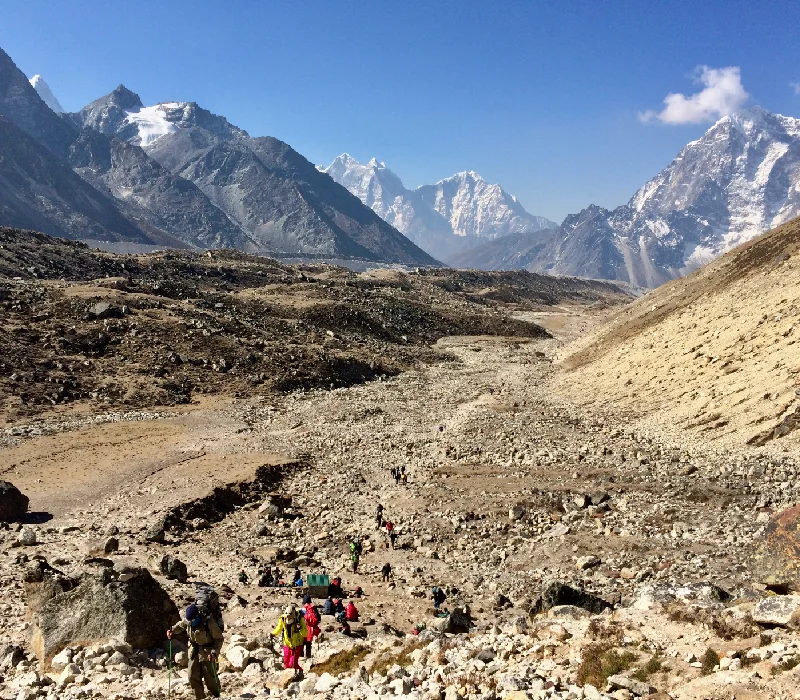
The walk from Dingboche to Lobuche is one of the most memorable stages of the Everest Base Camp trek. It's not especially technical, but the increasing altitude makes it feel significantly more demanding than earlier trekking days. The trail begins gently. As you leave Dingboche, you'll walk through a broad alpine valley with open views in every direction. The landscape feels increasingly barren compared with the lower parts of the trek—fewer shrubs, almost no trees, and a dramatic backdrop of snow-covered peaks.

Many trekkers stop for tea or lunch at the tiny settlement of Dughla (often spelled Thukla), which sits at the base of the day's main climb. The toughest section comes immediately after Dughla. The trail climbs steeply up a rocky moraine slope for about 30–60 minutes. At the top of the climb, you'll reach a moving collection of stone memorials dedicated to climbers and Sherpas who lost their lives on Everest and neighbouring peaks. Beyond the memorials, the trail becomes gentler again as it follows the lateral moraine of the Khumbu Glacier.

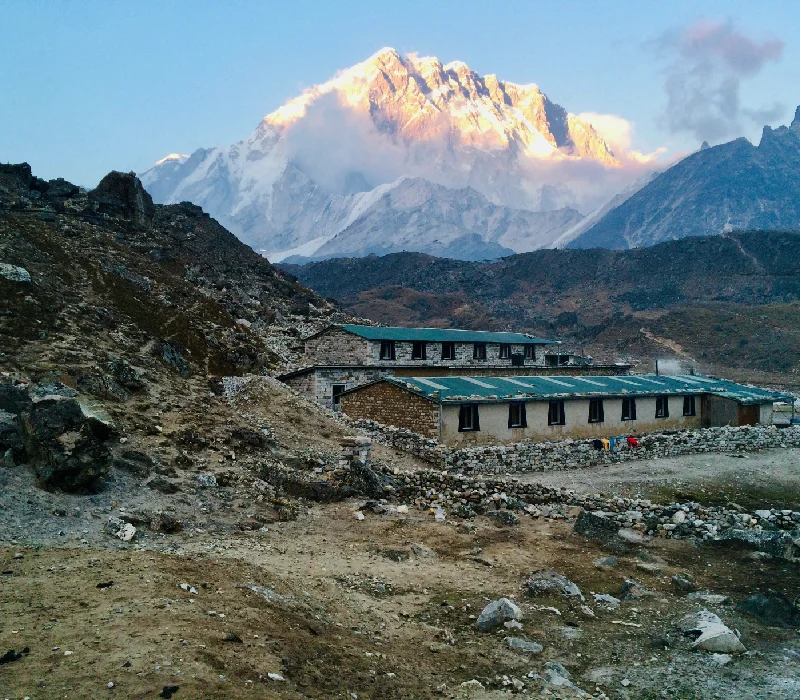
The final stretch to Lobuche can feel surprisingly long because of the altitude, but eventually the cluster of lodges that make up Lobuche comes into view.

Day 10 Trek to Base Camp & back to Gorakhshep

  • Walking Distance11.5 km
  • Highest Altitude5364 m / 17024 ft
  • AccommodationTea House
  • Included mealsBreakfast,Lunch & Dinner

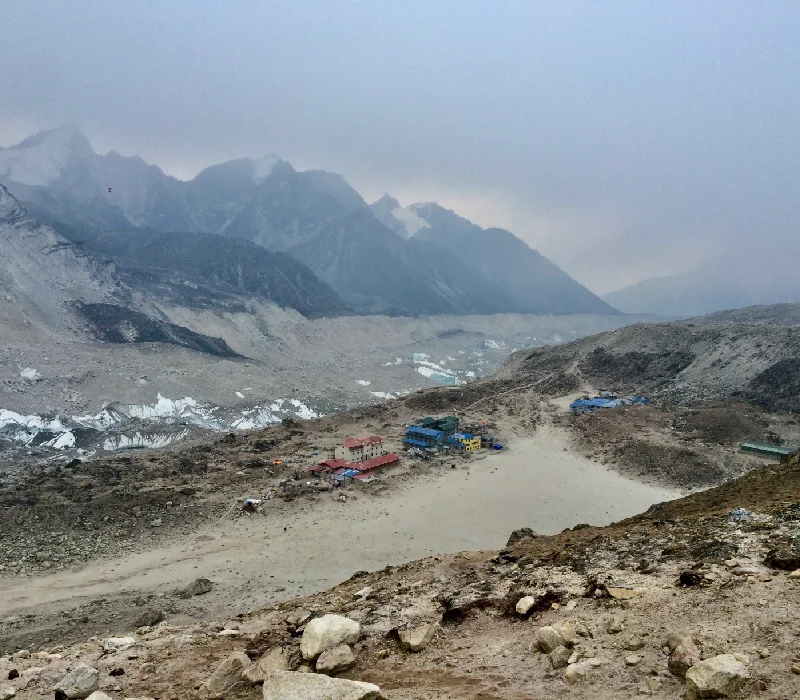
You usually leave Lobuche in the morning and follow a rocky trail that gradually climbs alongside the moraine of the Khumbu Glacier. The landscape becomes increasingly barren and dramatic—mostly rock, ice, and towering Himalayan peaks. After about 2–3 hours, you reach Gorak Shep, a tiny settlement at roughly 5,164 meters (16,942 feet). Most trekkers stop here for lunch, rest, and leave unnecessary gear before continuing to base camp.

From Gorak Shep, the trail heads across rocky glacial terrain. There is no obvious "base camp road"—instead, you weave over ridges of moraine and rough ground beside the glacier.

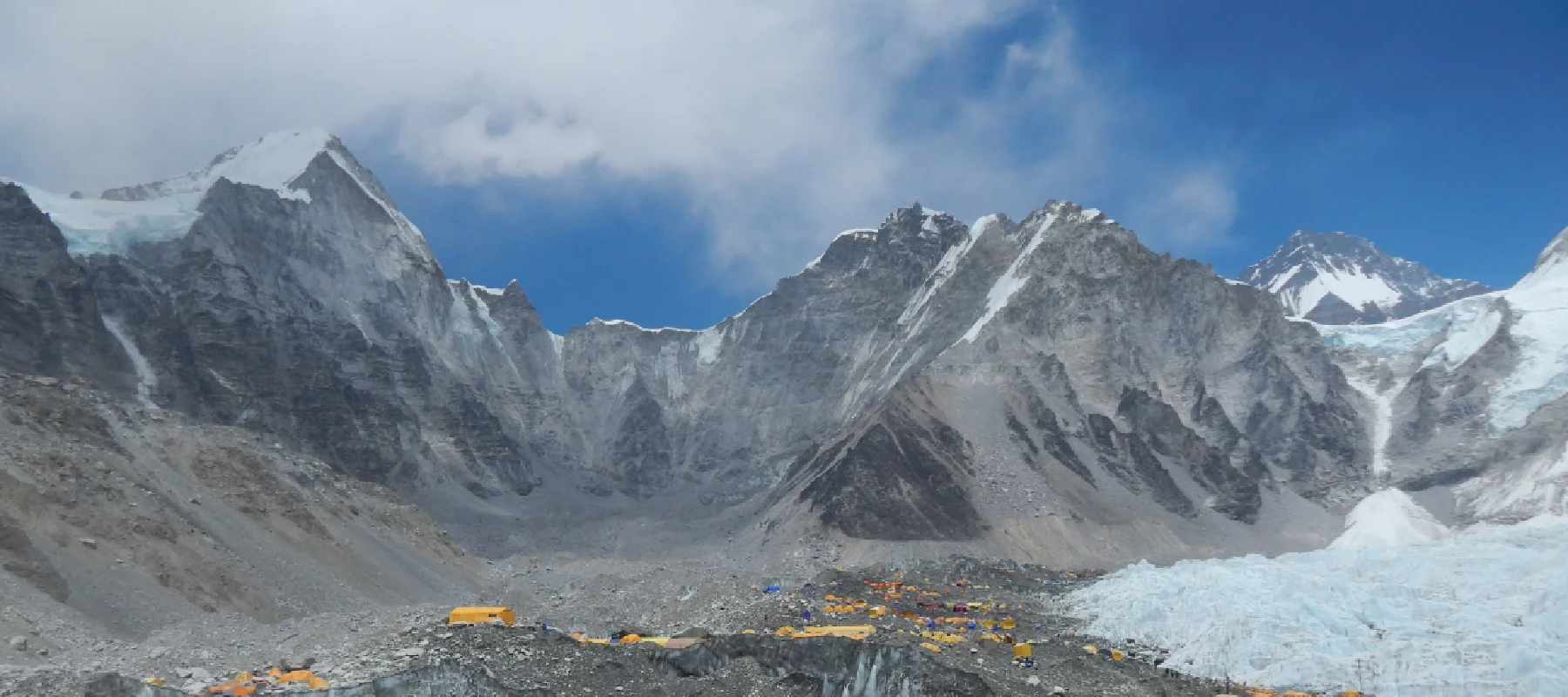
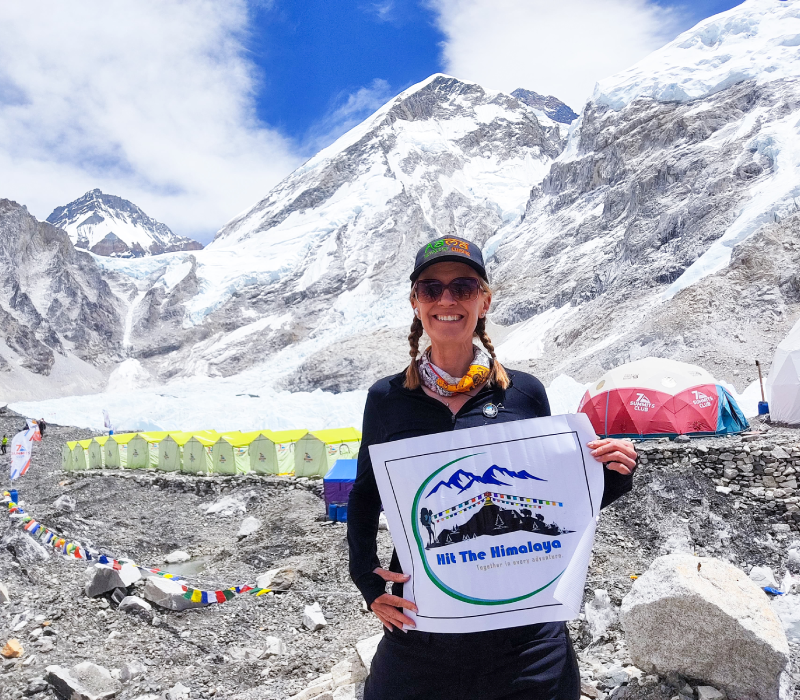
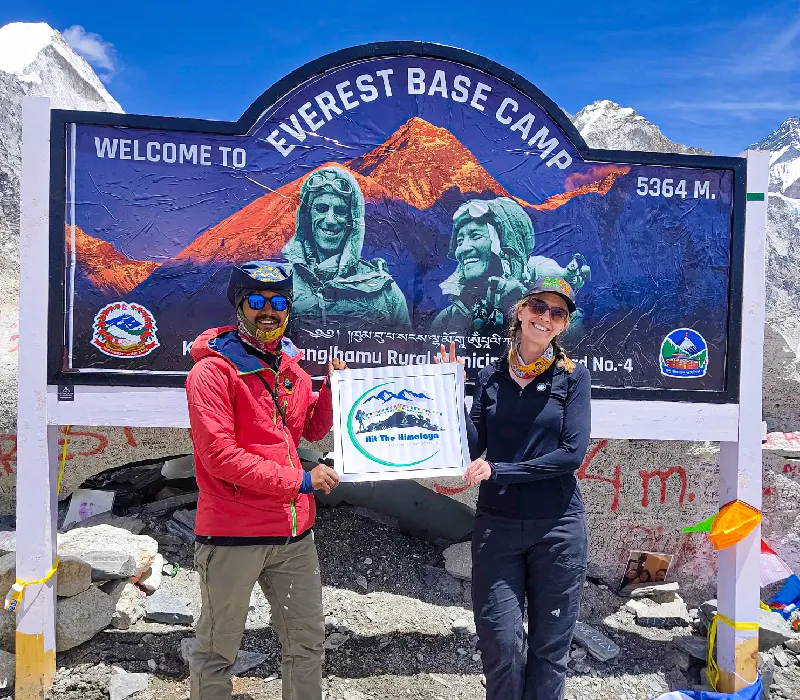
The final arrival at Everest Base Camp is often emotional. You're standing at about 5,364 meters (17,598 feet), surrounded by ice formations of the Khumbu Glacier and beneath the slopes leading toward Mount Everest.

Day 11 Trek to Kala patthar for Sunrise and descend to Pheriche

  • Walking Distance17.2 km
  • Highest Altitude5555 m / 18225 ft
  • AccommodationTea House
  • Included mealsBreakfast,Lunch & Dinner

The walk from Gorak Shep to Kala Patthar feels less like a hike and more like a quiet conversation with the mountains.

At first, the path seems simple—just a dusty trail climbing above the last outpost of stone lodges and wind-beaten walls. But with every step, the air grows thinner, and the world grows larger. Your breathing becomes louder than your thoughts. The rhythm of your boots on gravel becomes the only measure of time.

Reaching Kala Patthar is not the triumph of standing on a summit. It is the feeling of standing in the presence of something immeasurably larger than yourself. Looking toward Mount Everest, you may feel small, but not diminished. Instead, there is humility, gratitude, and a rare clarity that comes from being far away from noise, comfort, and certainty.

It feels like earning a view with your lungs, your legs, and your patience—and discovering that the journey itself was the greater reward.

Day 12 Trek from Pheriche to Namche Bazar

  • Walking Distance19.7 km
  • Highest Altitude3440 m / 11286 ft
  • AccommodationTea House
  • Included mealsBreakfast,Lunch & Dinner

The journey begins in the wide, windswept valley of Pheriche, surrounded by towering Himalayan peaks. As the trail descends, the air gradually becomes richer in oxygen, making walking feel easier after spending time at higher elevations. The path follows the Dudh Koshi River valley, passing stone walls, yak pastures, and small Sherpa settlements while offering impressive views of the surrounding mountains.

The final approach to Namche Bazaar includes a steady climb through forested hillsides before the colourful amphitheatre-shaped town comes into view. Nestled on the mountainside, Namche serves as the commercial and cultural center of the Everest region. After the long descent from higher elevations and the final uphill effort, arriving in Namche feels both comfortable and vibrant, with its cafés, lodges, shops, and spectacular mountain backdrop.

Day 13 Trek from Namche Bazar to Lukla

  • Walking Distance19.9 km
  • Highest Altitude2840 m / 9317 ft
  • AccommodationTea House
  • Included mealsBreakfast,Lunch & Dinner
The walk from Namche to Lukla is one of the final stages of the Everest region trek and offers a rewarding journey through beautiful mountain landscapes and Sherpa villages. Leaving Namche, the trail descends through forests of pine and rhododendron, with occasional views of snow-capped peaks in the distance. The path follows the Dudh Koshi River and passes through several small settlements where trekkers can rest and enjoy the local culture. The final section from Phakding to Lukla includes a gradual climb that can feel challenging after many days of trekking. However, the anticipation of reaching the end of the journey provides strong motivation. As Lukla comes into view, trekkers often reflect on their achievements and the unforgettable experiences of the Everest region. Arriving in Lukla marks the completion of a remarkable adventure through some of the world's most spectacular mountain scenery.

Day 14 Fly from Lukla to Kathmandu or Ramechhap

  • Walking DistanceN/A
  • Highest Altitude1400 m / 4593 ft
  • Accommodation3 star Hotel
  • Included mealsBreakfast & Dinner
Today is the last day of our journey. During peak trekking seasons, many flights that normally operate between Lukla and Kathmandu are redirected through Ramechhap Airport to reduce congestion at Kathmandu’s airport. In this case, we will fly from Lukla to Ramechhap, a small town located about 130 kilometres east of Kathmandu. The flight duration is similar, but we must then continue by road to Kathmandu, which usually takes 4–6 hours depending on traffic and road conditions.

What's Included

  • All transportation during the trek.
  • Flight from Kathmandu – Lukla round trip.
  • Accommodation and equipment during the trek.
  • Breakfast, Lunch, Dinner
  • 3-star hotels with B and B.
  • Professional and licensed English-speaking guide.
  • UNESCO site entrance fees in Kathmandu.
  • Porters to carry your luggage during the trek (1 porter for 2 Persons), their wages, medicine, insurance and necessary equipment.
  • All necessary permits & TIMS cards (Trekker’s Information Management System)
  • Travel & Rescue arrangement.
  • Farewell dinner in an authentic Nepali Restaurant and gifts.
  • All our government taxes, VAT, official expenses & service charges

What's Not Included

  • All personal expenses.
  • Personal clothing, gear, sleeping bag and other necessary items.
  • Tipping guides and porters.
  • Costs raised by flight cancellation, emergency rescue charges, landslides, weather, political unrest, illness, re-routing etc which are not under our control
  • Personal food consumption including Hot water
  • International Flight, Airport tax and Nepal Visa fee
Fix Date

View Packing Checklist

Insurance

If you’re planning a trekking adventure in Nepal—especially at high altitudes- it’s smart to arm yourself with the right insurance. Here’s what you need to know:

Why You Definitely Need Trekking Insurance in Nepal

  • Not always legally required, but almost every trekking agency in Nepal will require you to carry valid travel insurance with emergency medical evacuation and repatriation coverage.

  • In the remote Himalayas, helicopter rescues are common due to altitude sickness or injury—and without insurance, these cost thousands of dollars.

Must-Have Coverage Features

  1. High-altitude trekking coverage

    • Your insurance must match or exceed your planned maximum altitude.

    • Providers vary widely—some cap at 4,000 m, others go up to 6,000 m or more.

  2. Helicopter evacuation & emergency medical care

    • Ensure the policy includes both—ideally with pre-authorization or direct billing options.

  3. Adventure activity & trip protection

    • Coverage should include trekking, trip cancellation/interruption, lost baggage, and possibly COVID-related disruptions.

  4. Sufficient medical coverage

    • Aim for coverage limits of at least USD 100,000 for emergency medical expenses.

Top Insurance Providers for Nepal Trekking

Based on altitude coverage, assistance services, and user recommendations, here are some top choices:

Provider


Altitude Coverage


  Notable Features


World Nomads Up to ~6,000 m (Explorer plan up to ~7,000 m) Popular for trekkers; includes helicopter evacuation and trip protection.
Global Rescue (+ IMG) No altitude cap (with add‑on) Excellent for rescue; needs a travel insurance add-on for broader coverage.
IMG Global Up to ~5,500 m Good for proper mountaineering packages.
SafetyWing Base up to ~4,500 m (with add‑on for up to 6,000 m). Great for long-term travellers and nomads.
Allianz Travel Standard ~4,000 m (premium plans higher) Strong medical coverage and trip cancellation options.
True Traveller Up to ~6,000 m Tailored for UK/European adventure travellers.
Local Nepal-focused Plans ~5,500 m Designed specifically for Nepal treks; may offer local support and cashless claims.


Permit Requirements:

1. Khumbu Pasang Lhamu Rural Municipality Entry Permit

2. Sagarmatha National Park Permit


Gears needed:

Essential Gear Checklist — Categorized

Clothing: Layer Up Smartly

  • Base Layers: Moisture-wicking long-sleeves and bottoms (synthetic or merino), about 2–3 sets

  • Mid Layers: Fleece or microfleece jackets for insulation

  • Insulated Jacket: Puffy down/synthetic warm layer (~700 fill power suggested)

  • Shell Layer: Waterproof, breathable jacket (e.g., Gore-Tex) and waterproof pants

  • Trekking shirts, pants, and shorts—lightweight and quick-dry

  • Headgear: Sun hat or cap, warm beanie, and buff/neck gaiter

  • Gloves: Lightweight liners plus insulated, waterproof outer gloves

Footwear

  • Waterproof, broken-in hiking boots with strong ankle support

  • Camp shoes or sandals for evenings in teahouses

  • Hiking socks (4–7 pairs) and liner socks are optional for extra comfort

  • Gaiters handy for muddy or snowy conditions but not mandatory

  • Buff/scarf (very Important)

Bags & Storage

  • Main backpack:

    • Teahouse treks: 35–50 L (if using a porter, you can go smaller)

    • Camping treks: 50–70

  • Daypack (20–30 L) for daily essentials

  • Rain cover, dry sacks, and compression cubes for watertight organization

Trekking Essentials

  • Trekking poles—helpful on rough terrain

  • Headlamp / Flashlight + extra batteries

  • Sunglasses with UV protection

  • Water bottles (min. 3 L) and purification method (tablets, filter, or UV)

  • Navigation Tools: physical map, compass, GPS (good to carry all)

  • Emergency items: first aid kit, emergency bivy or space blanket, fire starter, satellite phone or beacon if remote

Health & Hygiene

  • First aid supplies: painkillers, blister treatment, antiseptic, antihistamine, anti-diarrheal, altitude meds (e.g. Diamox), personal prescriptions

  • Toiletries: toothbrush, toothpaste, soap, quick-dry towel, wet wipes, toilet paper, hand sanitizer, lip balm & sunscreen SPF 50+

  • Pee bottle—very handy for cold nights!

Personal & Miscellaneous

  • Documents: passport (plus copies), Nepal visa, trekking permits (TIMS, parks)

  • Cash (Nepali rupees), as many remote areas lack card readers

  • Electronics: phone with offline maps, power bank (20,000 mAh), charging cables, adapter (Type C/D/M); optional solar panel

  • Camera, extra batteries, memory cards

  • Personal touches: journal, book or Kindle, snacks, pen, earplugs, small lock


Physical fitness:

Trekking to Everest Base Camp is physically demanding and requires a good level of fitness. One should engage in regular cardiovascular and strength-building exercises for at least a few months before embarking on the trek. Exercises such as hiking, running, cycling, and strength training will help prepare the body for the rigours of trekking.


Adequate acclimatization:

Core Principles of Altitude Acclimatization


1. Ascend gradually: slow and steady wins

  • Once you’re above ~3,000 m, aim to ascend no more than 300–500 m (1,000–1,600 ft).

  • After ascending ~1,000 m total, insert a rest or acclimatization day, staying at the same altitude.

  • The proven approach? Climb high, sleep low—go higher during the day, but come back down to sleep.

2. Take scheduled acclimatization days

On key treks with high elevation in Nepal

  • Rest at 3000 metres—usually for 1 to 2 nights. Rest again at 4000 metres —typically 1night to cope with altitude above ~4,900 .

  • Overall, standard expeditions build in two full acclimatization days.

  • Hydrate and fuel your body

  • Drink 3–4 litres of fluids per day—water is vital, as dry, high-altitude air increases fluid loss.

  • Favour light, carbohydrate-rich meals (rice, pasta, soups, dal bhat) to maintain energy. Avoid things that hamper acclimatization

  • Alcohol, smoking, and sleeping pills are strongly discouraged—they dehydrate, reduce oxygen intake, and impair breathing.

  • Consider medication—but consult a doctor

  • Acetazolamide (Diamox) can help prevent AMS. Typical dosage: 125–250 mg twice daily, starting a day or two before climbing.

  • Always consult with a healthcare provider before use. Side effects may include tingling sensations and frequent urination.

3. Recognize early symptoms and respond appropriately

  • Mild AMS signs: headache, nausea, dizziness, fatigue, insomnia

  • If symptoms appear: stop ascending, rest, hydrate, and descend if they worsen. Severe AMS—especially HAPE or HACE—requires immediate descent.

  • Trekking with experienced guides improves safety—they monitor symptoms and can arrange oxygen or helicopter evacuation if needed

  • Always have travel insurance that covers high-altitude emergencies and rescue.

Why This Matters

  • Proper pacing and acclimatization reduce the risk of AMS, HAPE, HACE, and evacuation needs.

  • Hydration, diet, and active rest support both physical and mental well-being at altitude.

  • Guided treks with safety protocols make your journey not just possible—but also memorable.

What People Share from Experience

These firsthand accounts reinforce why acclimatization planning and hydration are non-negotiable.

Acclimatization is the process of adapting to high altitudes. As you trek higher, the air becomes thinner, and the body needs time to adjust. Adequate acclimatization is essential to prevent altitude sickness, a potentially fatal condition. It is recommended to spend a few days at lower altitudes to allow the body to acclimatize before climbing higher.


A knowledgeable guide:

Trekking to Everest Base Camp is a challenging activity, and having a knowledgeable guide is essential for success. A guide will help navigate the route, provide information about the local culture, and assist in case of any emergencies. It is important to choose a guide who is experienced and knowledgeable about the trek.


Proper nutrition and hydration:

Proper nutrition and hydration are crucial for maintaining energy levels and preventing altitude sickness. It is recommended to consume a high-carbohydrate, protein-rich diet to provide the body with the necessary fuel. It is also important to drink plenty of fluids to stay hydrated. It is recommended to carry a water purification system or tablets to ensure access to clean water.


Mental preparation:

Trekking to Base Camp is a mentally challenging activity. It requires patience, perseverance, and mental toughness. It is important to be mentally prepared for challenges and to have a positive attitude. It is also important to be aware of the risks and to take appropriate precautions.


Respect for the environment and local culture:

Trekking to Everest Base Camp is an opportunity to experience the unique local Sherpa culture and environment. It is important to show respect for the local culture and customs and to minimize the impact on the environment.


Basic first aid knowledge:

Basic first aid knowledge is essential for trekking to Mount Everest Base Camp. It is important to know how to treat common injuries and illnesses, such as blisters, altitude sickness, and hypothermia. It is recommended to carry a basic first aid kit with essential items such as bandages, antiseptics, and pain relievers.
Contact us