View Packing Checklist
Insurance
Permit Requirements:
1. Khumbu Pasang Lhamu Rural Municipality Entry Permit
2. Sagarmatha National Park Permit
Gears needed:
Essential Gear Checklist — Categorized
Clothing: Layer Up Smartly
-
Base Layers: Moisture-wicking long-sleeves and bottoms (synthetic or merino), about 2–3 sets
-
Mid Layers: Fleece or microfleece jackets for insulation
-
Insulated Jacket: Puffy down/synthetic warm layer (~700 fill power suggested)
-
Shell Layer: Waterproof, breathable jacket (e.g., Gore-Tex) and waterproof pants
-
Trekking shirts, pants, and shorts—lightweight and quick-dry
-
Headgear: Sun hat or cap, warm beanie, and buff/neck gaiter
-
Gloves: Lightweight liners plus insulated, waterproof outer gloves
Footwear
-
Waterproof, broken-in hiking boots with strong ankle support
-
Camp shoes or sandals for evenings in teahouses
-
Hiking socks (4–7 pairs) and liner socks are optional for extra comfort
-
Gaiters handy for muddy or snowy conditions
Bags & Storage
-
Main backpack:
-
Daypack (20–30 L) for daily essentials
-
Rain cover, dry sacks, and compression cubes for water-tight organization
Trekking Essentials
-
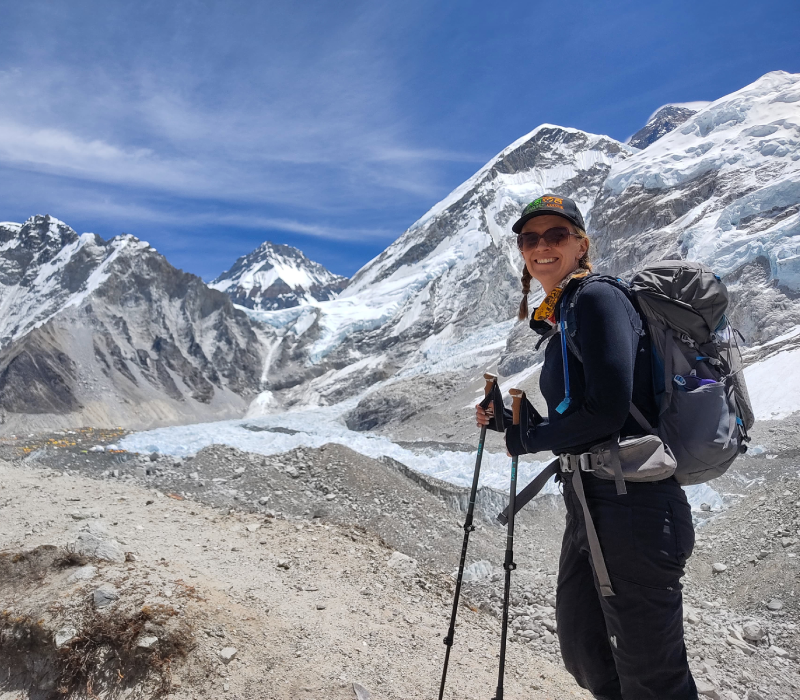
Trekking poles—helpful on rough terrain
-
Headlamp / Flashlight + extra batteries
-
Sunglasses with UV protection
-
Water bottles (min. 3 L) and purification method (tablets, filter, or UV)
-
Navigation Tools: physical map, compass, GPS (good to carry all)
-
Emergency items: first aid kit, emergency bivy or space blanket, fire starter, satellite phone or beacon if remote
Health & Hygiene
-
First aid supplies: painkillers, blister treatment, antiseptic, antihistamine, anti-diarrheal, altitude meds (e.g. Diamox), personal prescriptions
-
Toiletries: toothbrush, toothpaste, soap, quick-dry towel, wet wipes, toilet paper, hand sanitizer, lip balm & sunscreen SPF 50+
-
Pee bottle—very handy for cold nights!
Personal & Miscellaneous
-
Documents: passport (plus copies), Nepal visa, trekking permits (TIMS, parks)
-
Cash (Nepali rupees), as many remote areas lack card readers
-
Electronics: phone with offline maps, power bank (20,000 mAh), charging cables, adapter (Type C/D/M); optional solar panel
-
Camera, extra batteries, memory cards
-
Personal touches: journal, book or Kindle, snacks, pen, earplugs, small lock
Physical fitness:
Trekking to Everest Base Camp is physically demanding and requires a good level of fitness. One should engage in regular cardiovascular and strength-building exercises for at least a few months before embarking on the trek. Exercises such as hiking, running, cycling, and strength training will help prepare the body for the rigours of trekking.
Adequate acclimatization:
Core Principles of Altitude Acclimatization
1. Ascend gradually: slow and steady wins
-
Once you’re above ~3,000 m, aim to ascend no more than 300–500 m (1,000–1,600 ft).
-
After ascending ~1,000 m total, insert a rest or acclimatization day, staying at the same altitude.
-
The proven approach? Climb high, sleep low—go higher during the day, but come back down to sleep.
2. Take scheduled acclimatization days
On key treks with high elevation in Nepal
-
Rest at 3000 metres—usually for 1 to 2 nights. Rest again at 4000 metres —typically 1night to cope with altitude above ~4,900 .
-
Overall, standard expeditions build in two full acclimatization days.
-
Hydrate and fuel your body
-
Drink 3–4 litres of fluids per day—water is vital, as dry, high-altitude air increases fluid loss.
-
Favour light, carbohydrate-rich meals (rice, pasta, soups, dal bhat) to maintain energy. Avoid things that hamper acclimatization
-
Alcohol, smoking, and sleeping pills are strongly discouraged—they dehydrate, reduce oxygen intake, and impair breathing.
-
Consider medication—but consult a doctor
-
Acetazolamide (Diamox) can help prevent AMS. Typical dosage: 125–250 mg twice daily, starting a day or two before climbing.
-
Always consult with a healthcare provider before use. Side effects may include tingling sensations and frequent urination.
3. Recognize early symptoms and respond appropriately
-
Mild AMS signs: headache, nausea, dizziness, fatigue, insomnia
-
If symptoms appear: stop ascending, rest, hydrate, and descend if they worsen. Severe AMS—especially HAPE or HACE—requires immediate descent.
-
Trekking with experienced guides improves safety—they monitor symptoms and can arrange oxygen or helicopter evacuation if needed
-
Always have travel insurance that covers high-altitude emergencies and rescue.
Why This Matters
-
Proper pacing and acclimatization reduce the risk of AMS, HAPE, HACE, and evacuation needs.
-
Hydration, diet, and active rest support both physical and mental well-being at altitude.
-
Guided treks with safety protocols make your journey not just possible—but also memorable.
What People Share from Experience
These firsthand accounts reinforce why acclimatization planning and hydration are non-negotiable.
Acclimatization is the process of adapting to high altitudes. As you trek higher, the air becomes thinner, and the body needs time to adjust. Adequate acclimatization is essential to prevent altitude sickness, a potentially fatal condition. It is recommended to spend a few days at lower altitudes to allow the body to acclimatize before climbing higher.
A knowledgeable guide:
Trekking to Everest Base Camp is a challenging activity, and having a knowledgeable guide is essential for success. A guide will help navigate the route, provide information about the local culture, and assist in case of any emergencies. It is important to choose a guide who is experienced and knowledgeable about the trek.
Proper nutrition and hydration:
Proper nutrition and hydration are crucial for maintaining energy levels and preventing altitude sickness. It is recommended to consume a high-carbohydrate, protein-rich diet to provide the body with the necessary fuel. It is also important to drink plenty of fluids to stay hydrated. It is recommended to carry a water purification system or tablets to ensure access to clean water.
Mental preparation:
Trekking to Base Camp is a mentally challenging activity. It requires patience, perseverance, and mental toughness. It is important to be mentally prepared for challenges and to have a positive attitude. It is also important to be aware of the risks and to take appropriate precautions.
Respect for the environment and local culture:
Trekking to Everest Base Camp is an opportunity to experience the unique local Sherpa culture and environment. It is important to show respect for the local culture and customs and to minimize the impact on the environment.
Basic first aid knowledge:
Basic first aid knowledge is essential for trekking to Mount Everest Base Camp. It is important to know how to treat common injuries and illnesses, such as blisters, altitude sickness, and hypothermia. It is recommended to carry a basic first aid kit with essential items such as bandages, antiseptics, and pain relievers.