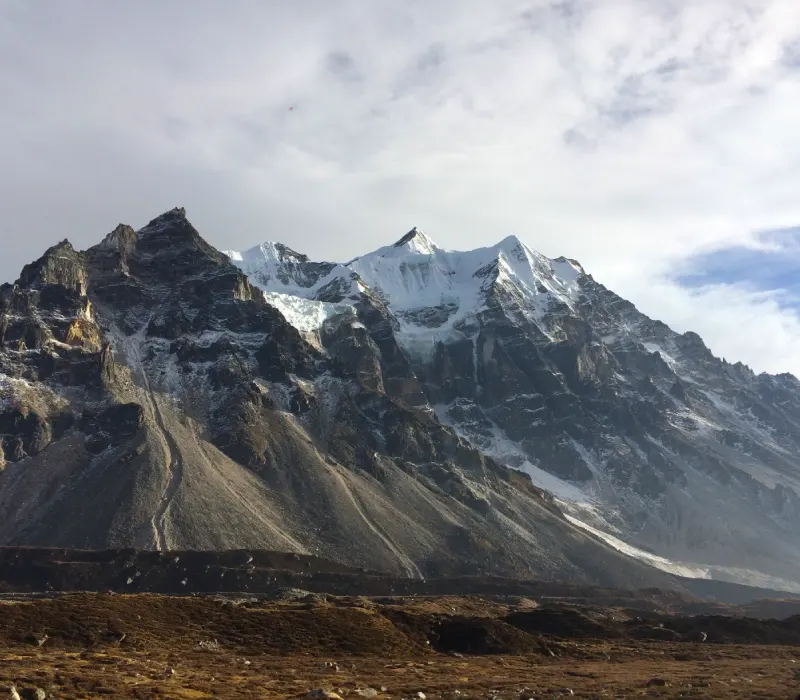
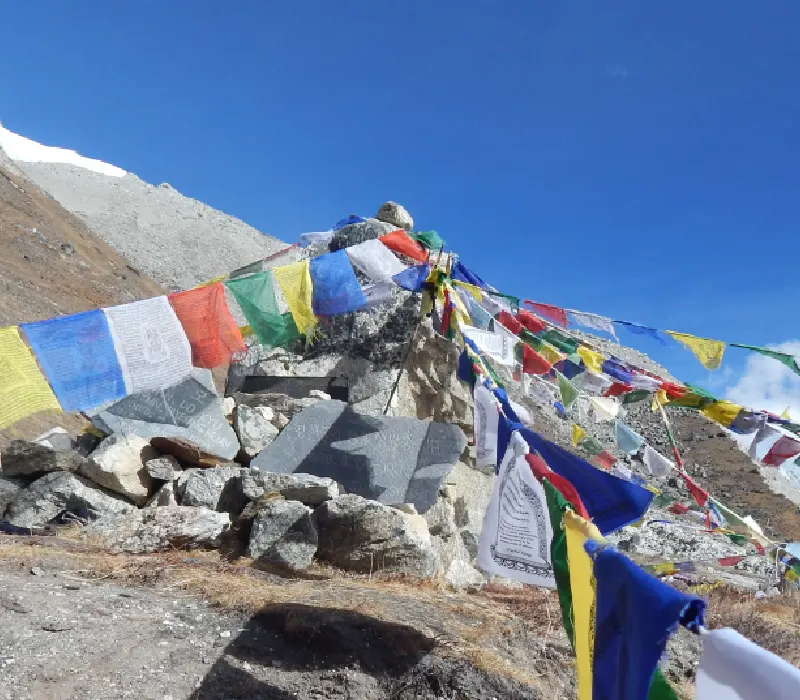
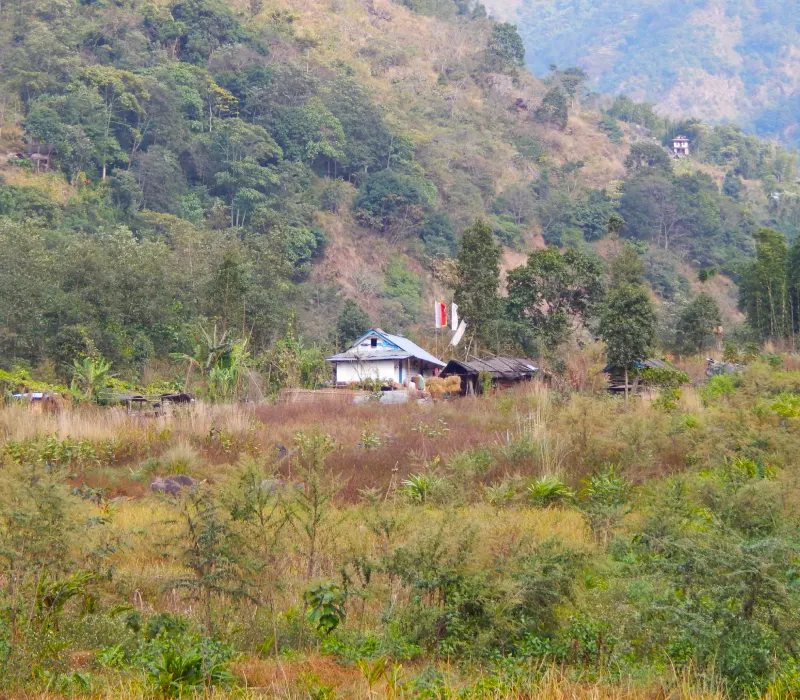
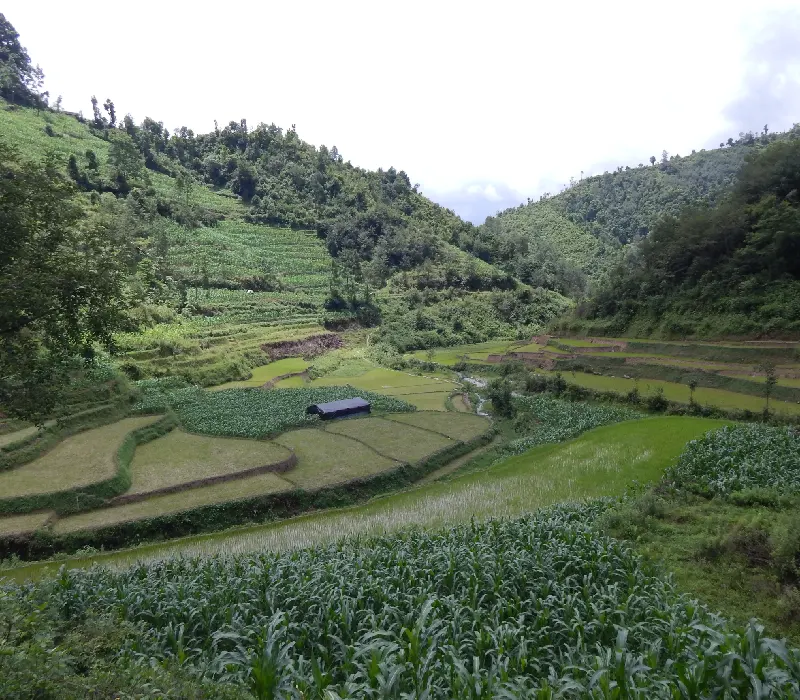
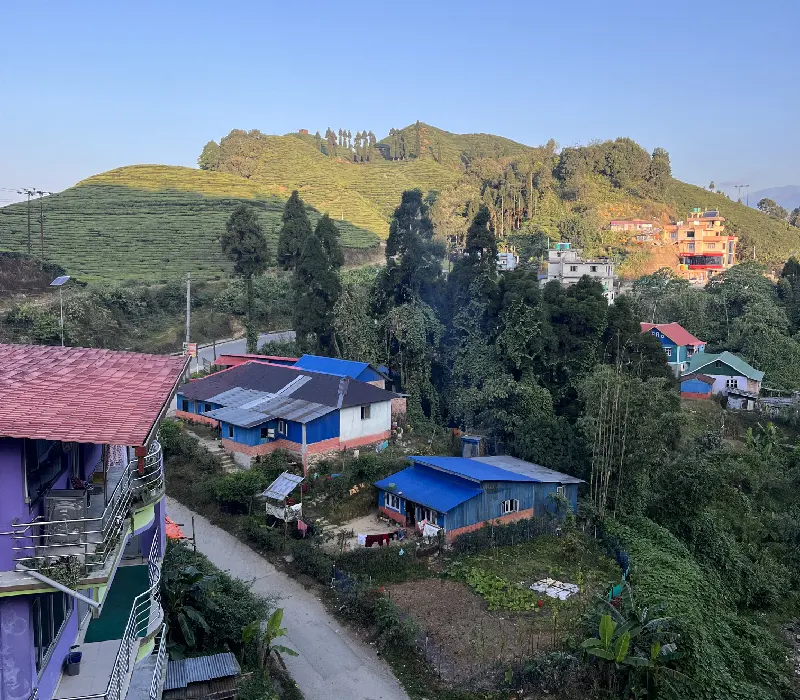
The Kanchenjunga Base Camp (KBC) Trek is one of the most challenging and demanding treks in Eastern Nepal. Standing as the 3rd highest mountain in the world (8586M), KBC is less visited and one of the rural trekking areas in Nepal. This 20-day unbeaten trek covers 220 Km which is one of the reasons why it is challenging. You will be crossing many high passes with tough climbs and descents throughout the trek.
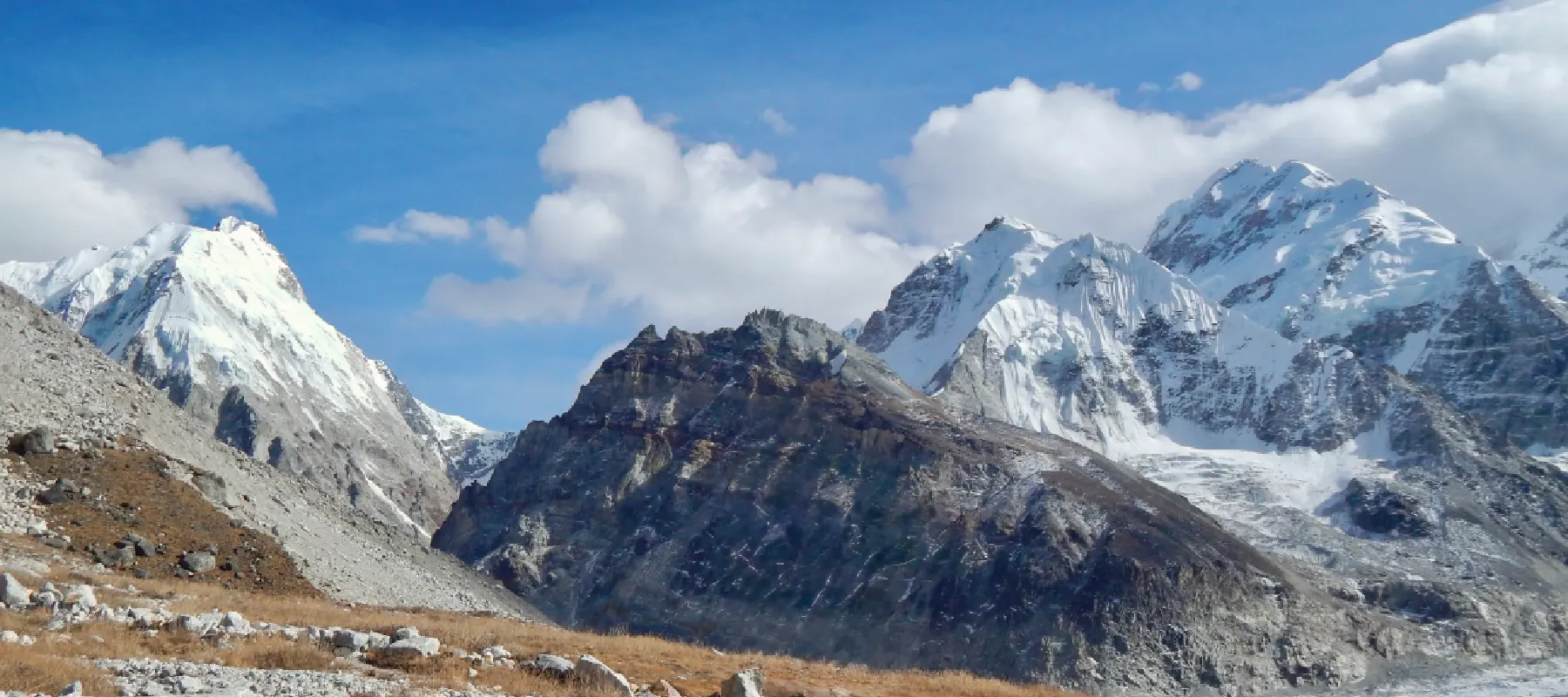
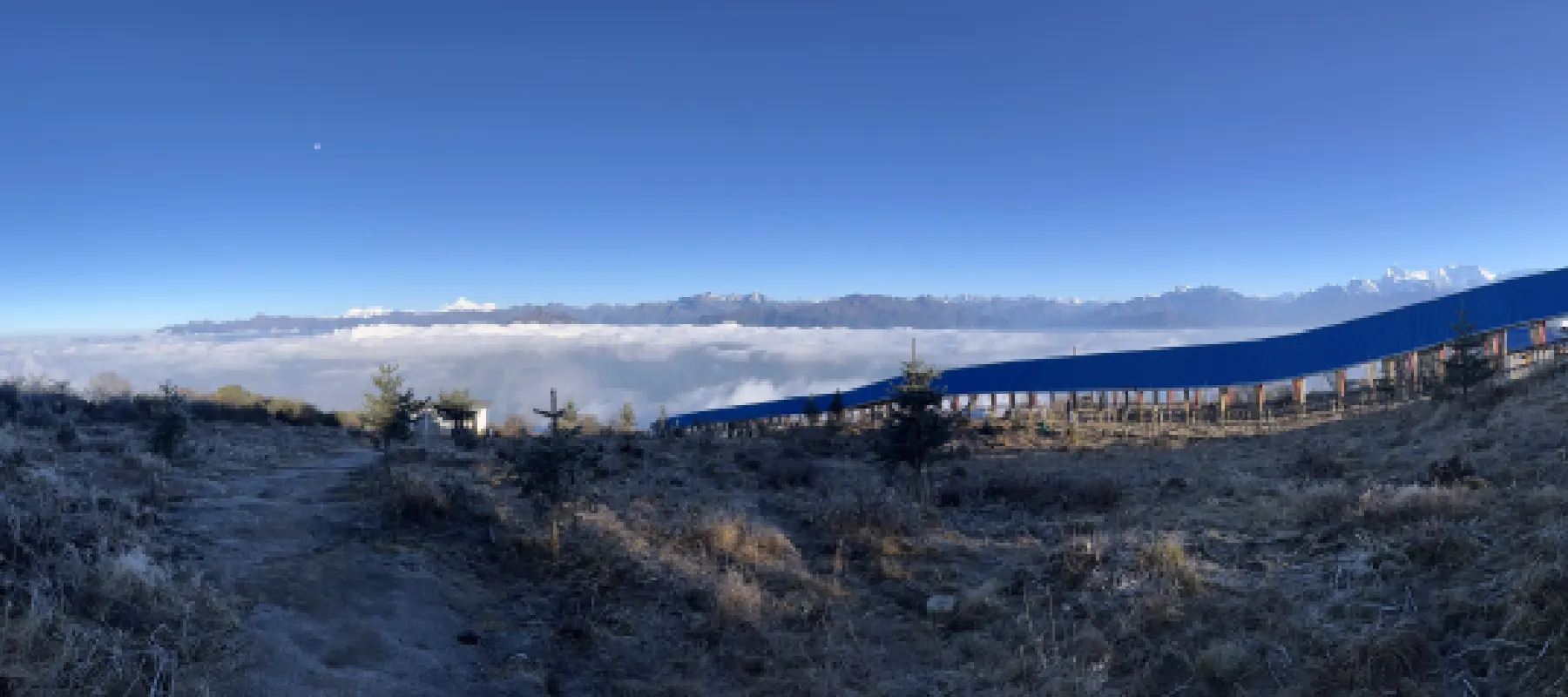
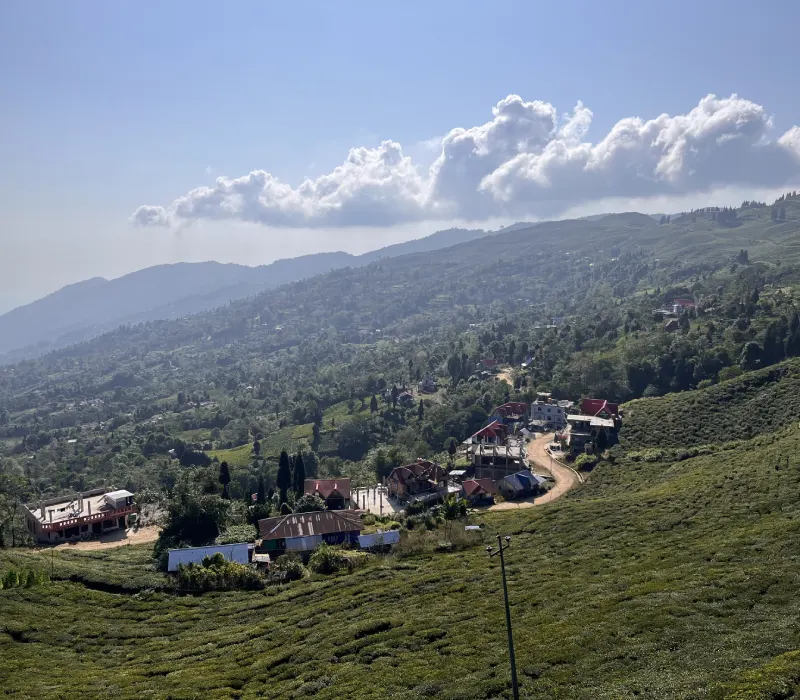
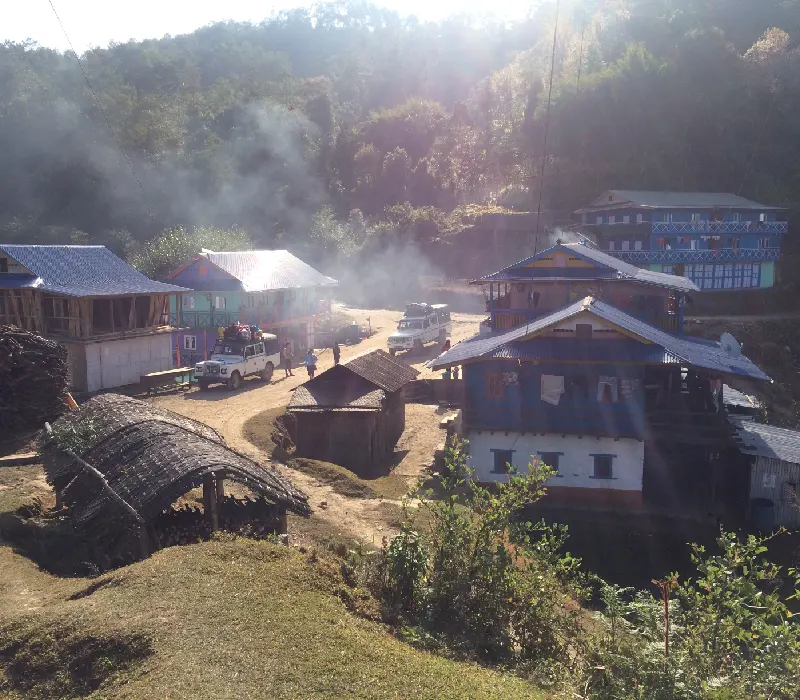
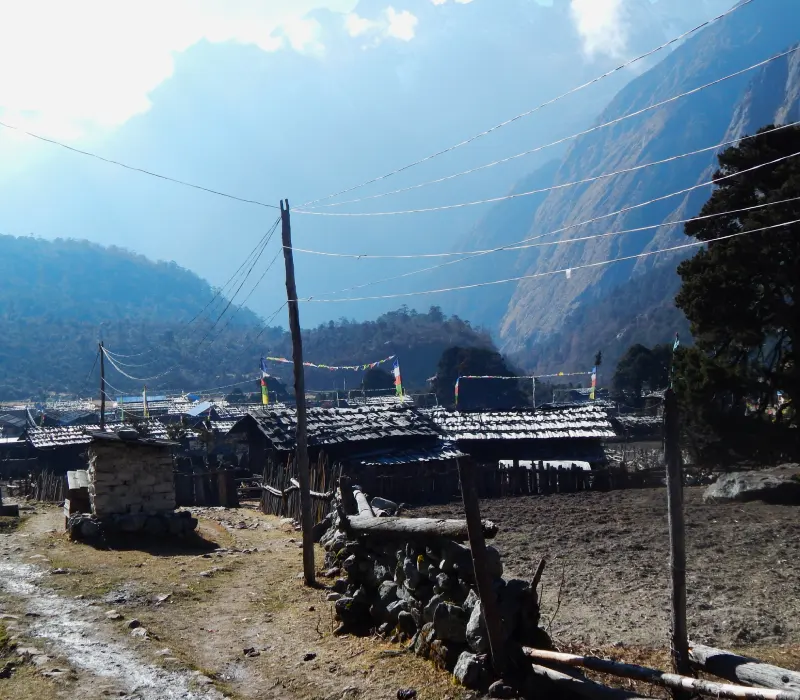
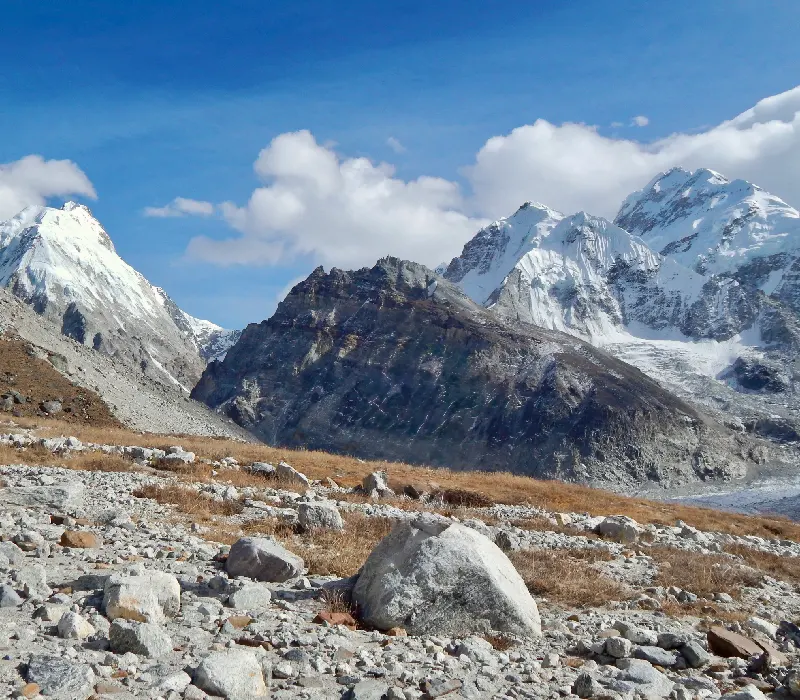
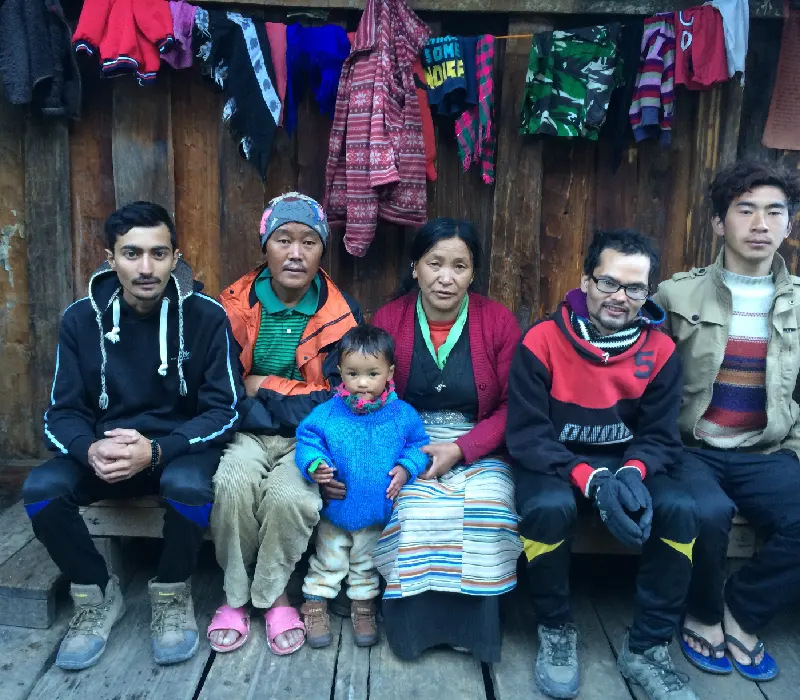
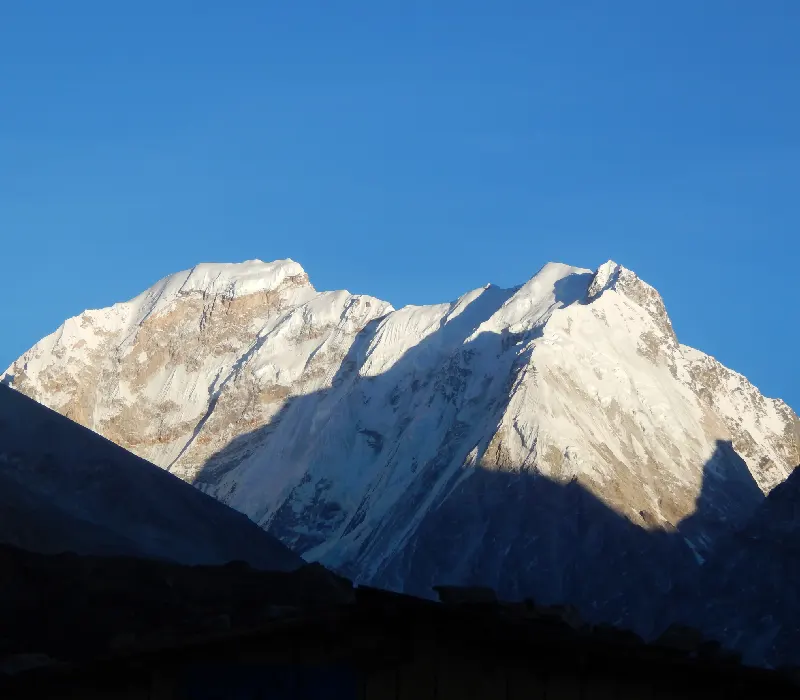
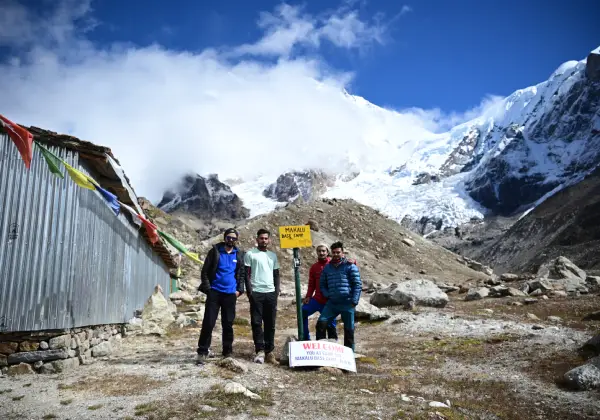
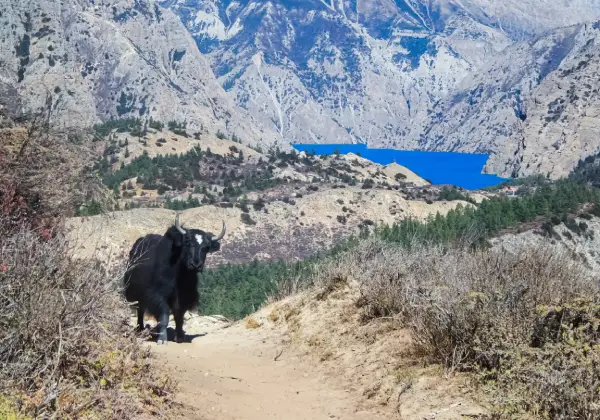
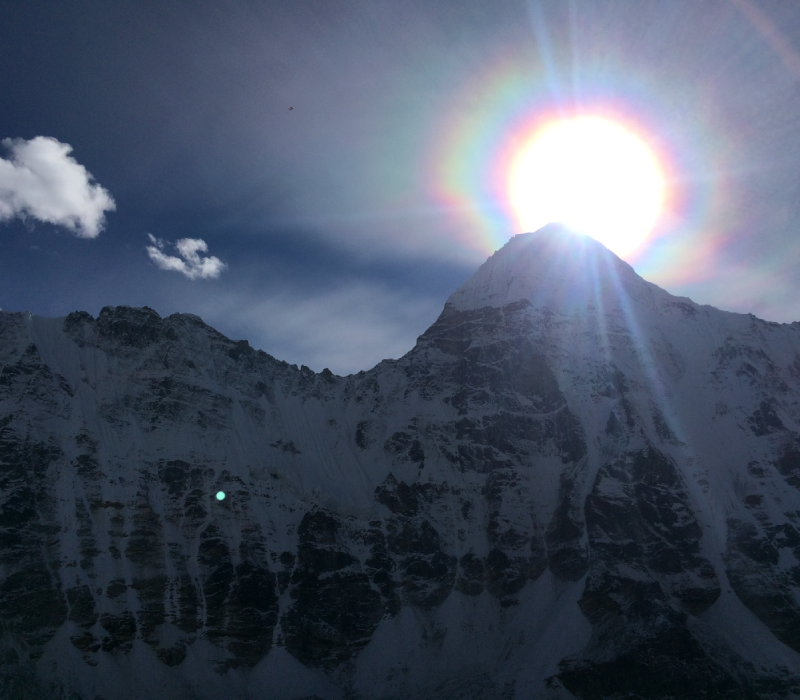
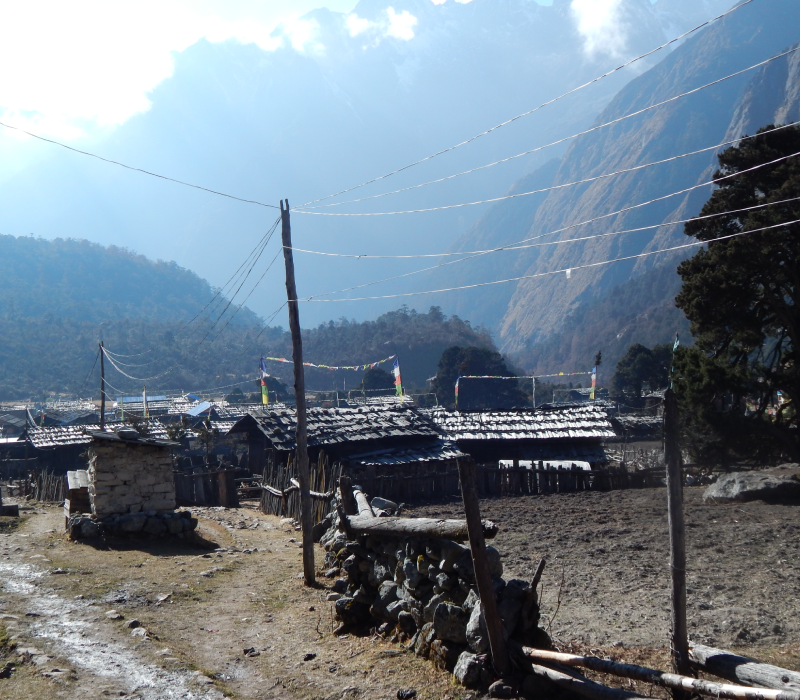
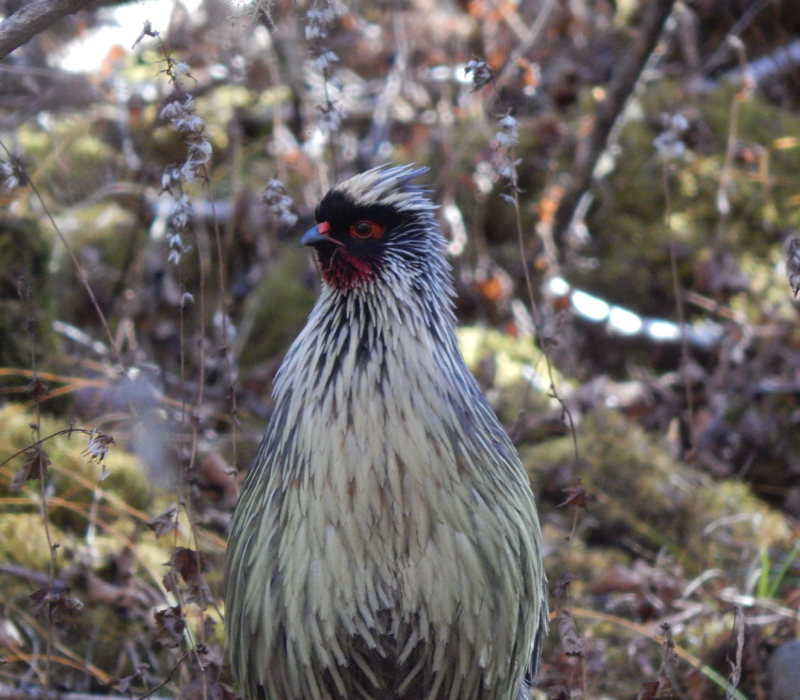
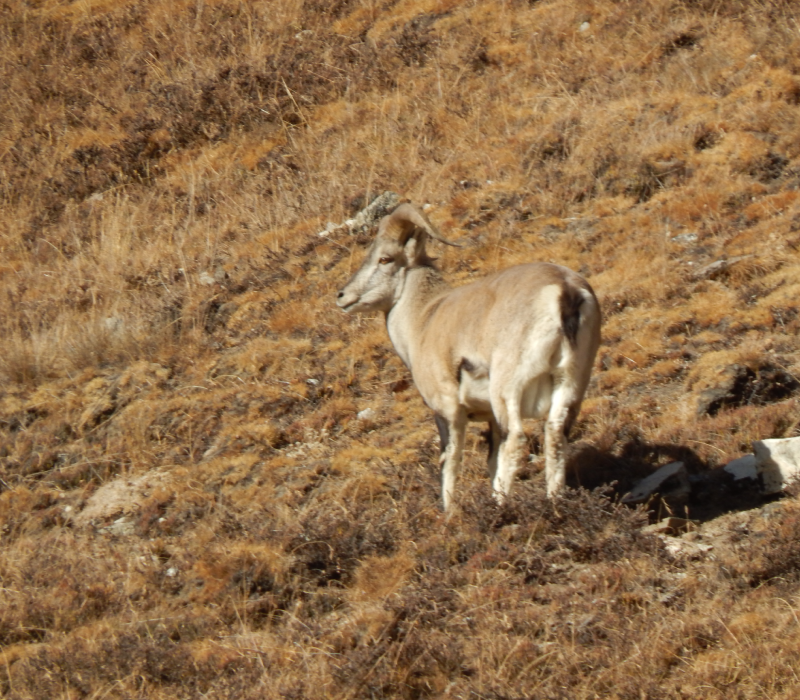
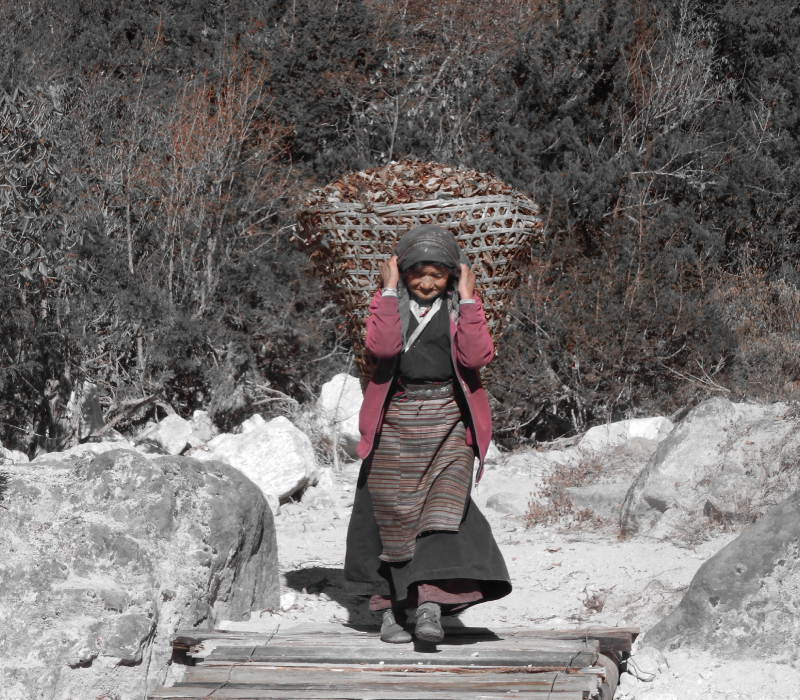
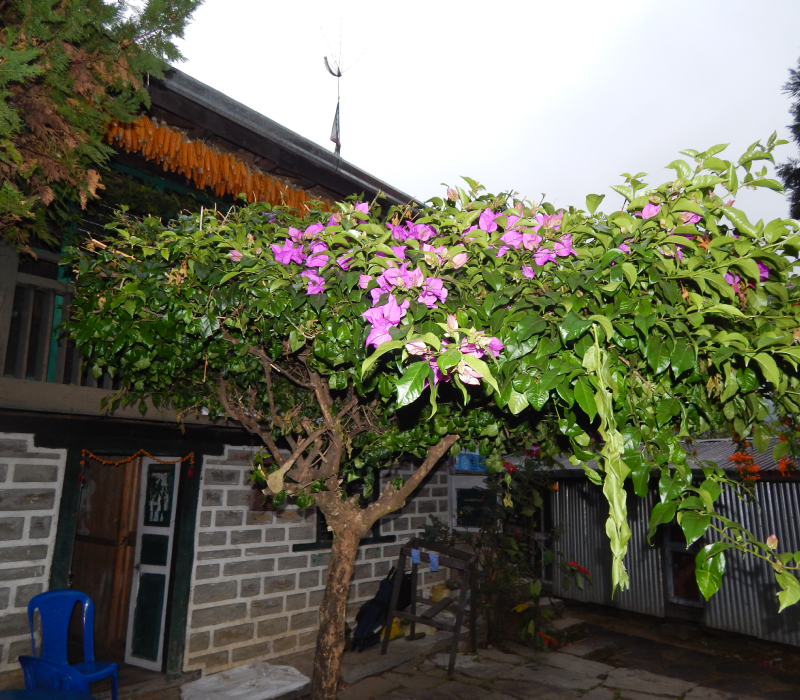
However, KBC has a lot to offer adventurers. Geographically, KBC is different than any other trekking in Nepal. Kanchenjunga is known as a land of Rhododendrons recording 34 species of it. It is a home for many rare animals like snow leopards, red pandas and many more. The Kanchenjunga region is home to many ethnic groups like Sherpa, Limbu and Gurung. This region provides a wide range of scenery from tropical forests to rhododendron, oak, pine and chestnut forest. During your trek, you will get a chance to do both north (Pangpema 5160m) and south (Ramche 4610m) base camp crossing sell pass (4646m). From different viewpoints, you can encounter majestic Kanchenjunga, Makalu, Jannu, Kumbakarna, and many other mountain ranges. Kanchenjunga region is a border between both Tibet and Nepal.
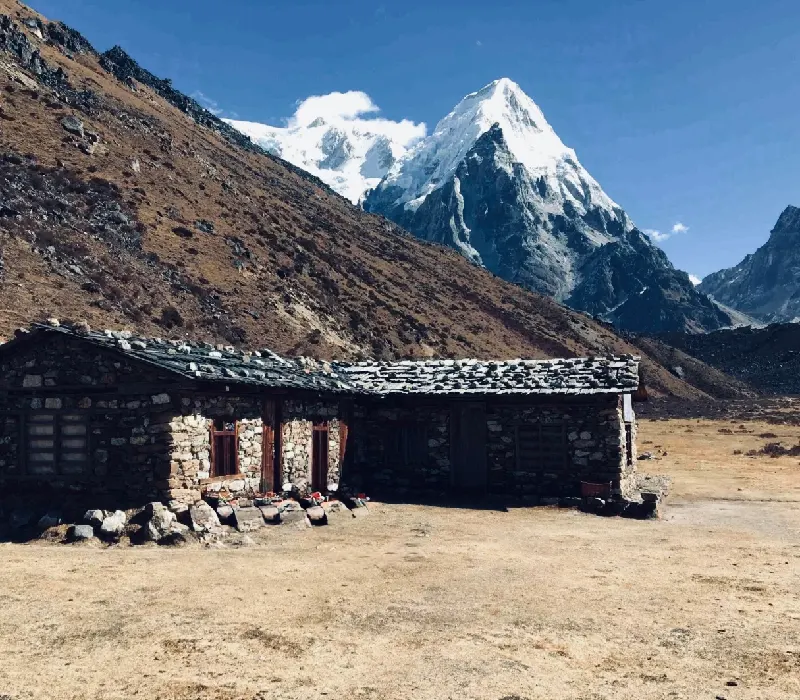
Kanchenjunga is a very unique trekking destination that comes under the restricted Zone. It is impossible to trek this trail alone. You are required to have a special permit that is issued by the immigration office in Nepal. The minimum group size for this trekking is two and you must hire a professional licenced guide and porters to trek this region. Apart from that, this trail is getting bit popular and basic tea houses have been built in past years but it is always better to choose camping if you are planning to hike this area. Prepare in advance and be physically fit if you are planning to undertake this wilderness region of Nepal.
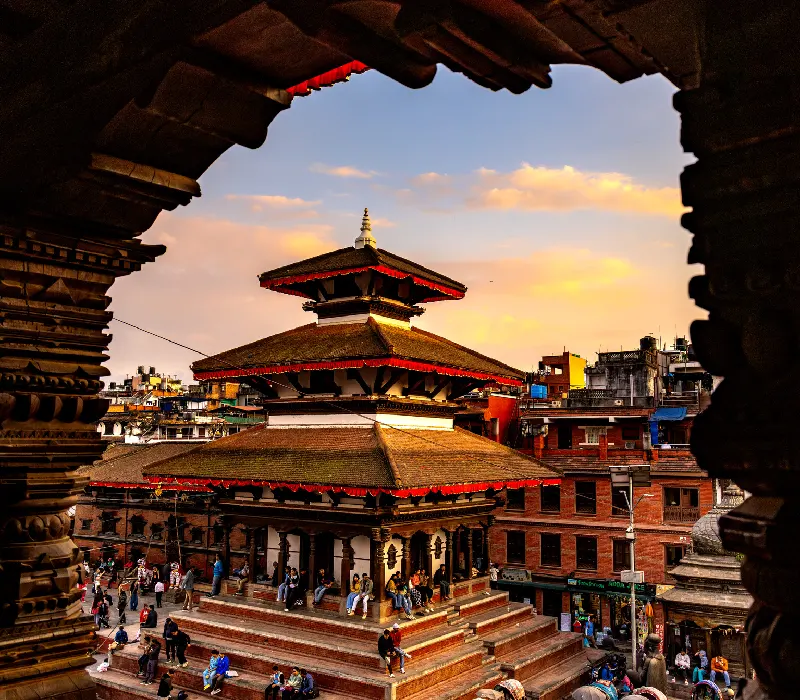
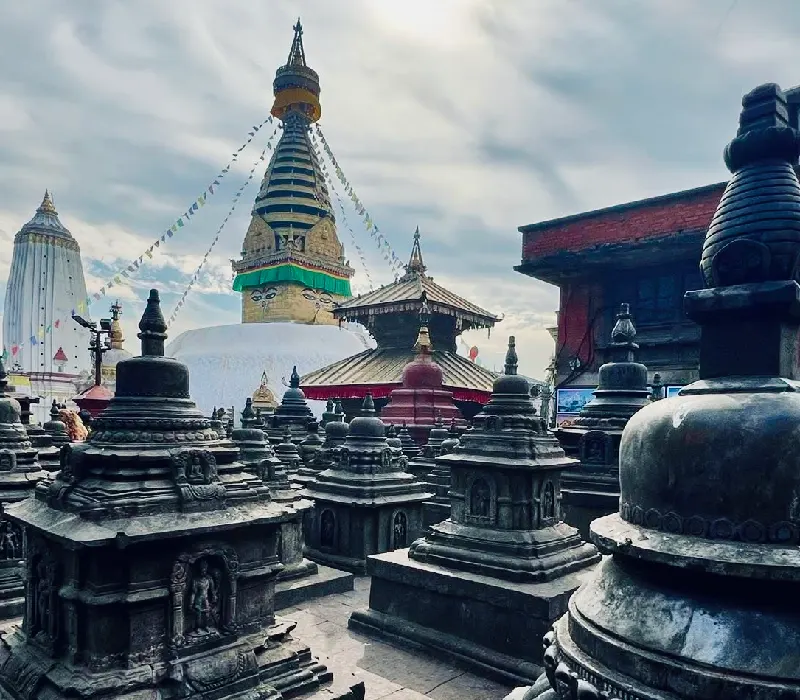
Day 01 Welcome to Kathmandu
Day 2 Day 2: Explore Kathmandu/Trek preparation
Day 3 Fly to Bhadrapur and drive to Phidim
Day 4 Drive from Phidim to Taplejung to Chiruwa
Day 5 Trek from Chiruwa to Lelep
Day 6 Trek from Lelep to Gyabla
Day 7 Trek from Gyabla to Ghunsa
Day 8 Acclimatization Day
Day 9 Trek from Ghunsa to Khambachen
Day 10 Trek from Khambachen to Lhonak
Day 11 Trek from Lhonak to Pangpema (North Base Camp)
Day 12 Trek from Lhonak to Ghunsa
Day 13 Trek from Ghunsa to High Camp
Day 14 Trek from High Camp to Tseram via Sele -La Pass and Sinion La Pass
Day 15 Trek from Tseram to Ramche
Day 16 Explore to Oktang and trek back to Tseram
Day 17 Trek from Tseram to Tortong
Day 18 Trek from Tortong to Yamphudim
Day 19 Trek from Yamphudim to Khebang
Day 20 Drive Khebang to Ilam
Day 21 Day 21: Drive Ilam to Bhadrapur airport and flight back to Kathmandu
Day 22 Day 22: Final departure from Kathmandu
5143 meters (16873 ft) at the Base Camp itself.
Yes, it’s a moderate-level trek with manageable trails. However, it is not easy to introduce yourself if it's your first time.
Layers, down jacket, waterproof outerwear, trekking boots, headlamp, gloves, and sleeping bag. More Information below.

If you’re planning a trekking adventure in Nepal—especially at high altitudes, it’s smart to arm yourself with the right insurance. Here’s what you need to know:
Based on altitude coverage, assistance services, and user recommendations, here are some top choices:
|
3. Kanchenjunga Conservation Area Project Entry Permit is NRS 2000 per person for unlimited days.
Trekking to the Kanchenjunga Base Camp (KBC) is a physically demanding activity, and it requires a good level of physical fitness. One should engage in regular cardiovascular and strength-building exercises for at least a few months before embarking on the trek. Exercises such as hiking, running, cycling, and strength training will help prepare the body for the rigours of trekking.
1. Ascend gradually: slow and steady wins
2. Take scheduled acclimatization days
On key treks with high elevation in Nepal
3. Recognize early symptoms and respond appropriately
These firsthand accounts reinforce why acclimatization planning and hydration are non-negotiable.
Acclimatization is the process of adapting to high altitudes. As you trek higher, the air becomes thinner, and the body needs time to adjust. Adequate acclimatization is essential to prevent altitude sickness, a potentially fatal condition. It is recommended to spend a few days at lower altitudes to allow the body to acclimatize before climbing higher.
Trekking to the Kanchenjunga Base Camp (KBC) is a challenging activity, and having a knowledgeable guide is essential for success. A guide will help navigate the route, provide information about the local culture, and assist in case of any emergencies. It is important to choose a guide who is experienced and knowledgeable about the trek.
Proper nutrition and hydration are crucial for maintaining energy levels and preventing altitude sickness. It is recommended to consume a high-carbohydrate and protein-rich diet to provide the necessary fuel for the body. It is also important to drink plenty of fluids to stay hydrated. It is recommended to carry a water purification system or tablets to ensure access to clean water.
Trekking to the Kanchenjunga Base Camp (KBC) is a mentally challenging activity. It requires patience, perseverance, and mental toughness. It is important to be mentally prepared for challenges and to have a positive attitude. It is also important to be aware of the risks and to take appropriate precautions.
Trekking in the Kanchenjunga Base Camp (KBC) is an opportunity to experience the unique local culture and environment. It is important to show respect for local culture and customs and to minimize environmental impact.
Basic first-aid knowledge is essential for trekking the Kanchenjunga Base Camp (KBC). It is important to know how to treat common injuries and illnesses, such as blisters, altitude sickness, and hypothermia. It is recommended to carry a basic first aid kit with essential items such as bandages, antiseptics, and pain relievers.