Need Help? Call Us +1 519-619-9402

Mardi Himal Base Camp - 8 Days

Trip Facts

  • Duration 8 Days
  • Trip Grade Moderate
  • Max Height 5300m.
  • Start From Pokhara
  • Ends at Kathmandu
  • Group Size 1 - 10 Pax
  • Transportation Jeep/Bus
  • Trip Meals Breakfast/ Lunch and Dinner
  • Accommodation Tea House/Hotel
  • Best Season May, September, October (best in terms of view), November
From US$ 1075 US$ 975 (Price varies by group size)

Talk to an Expert

Sital Subedi Bhupal Sangroula

sital@hitthehimalaya.com
bhupal@hitthehimalaya.com

+1 519-619-9402

Highlights

  • One of Nepal’s most famous and moderate short treks.
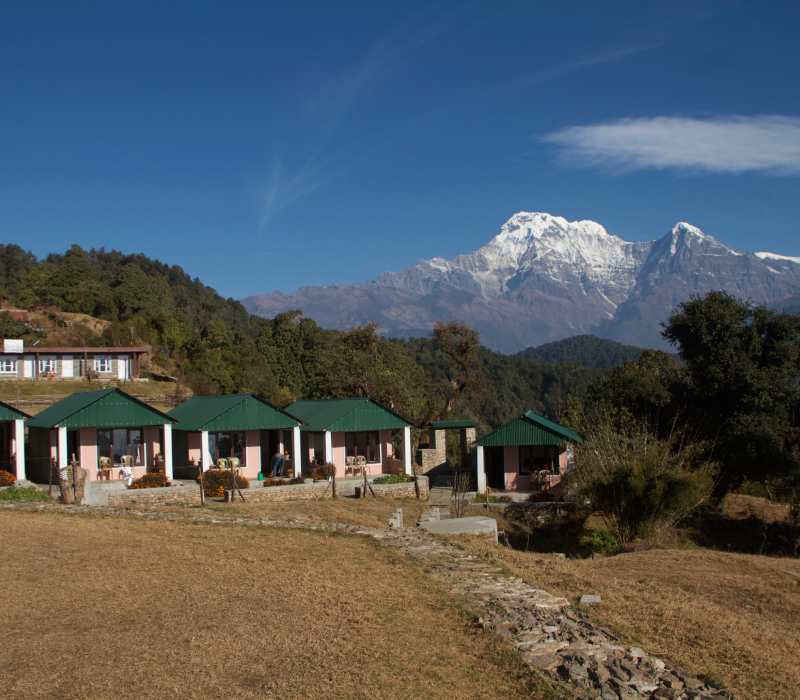
  • Comfortable teahouses with adequate facilities along the trekking route.
  • Children-friendly trek.
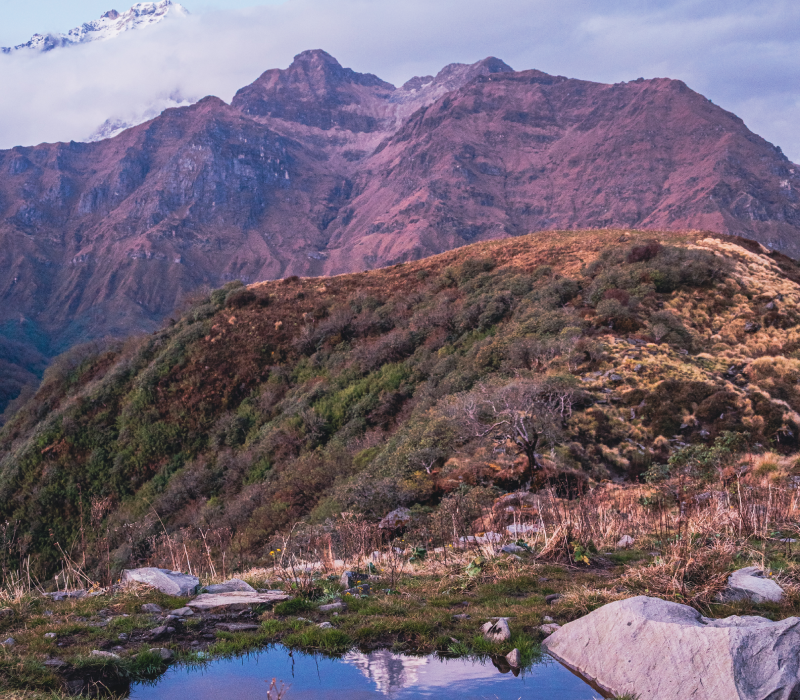
  • Enjoy  Beautiful Landscapes, Rhododendron forests, irrigation fields, small streams and rivers. 
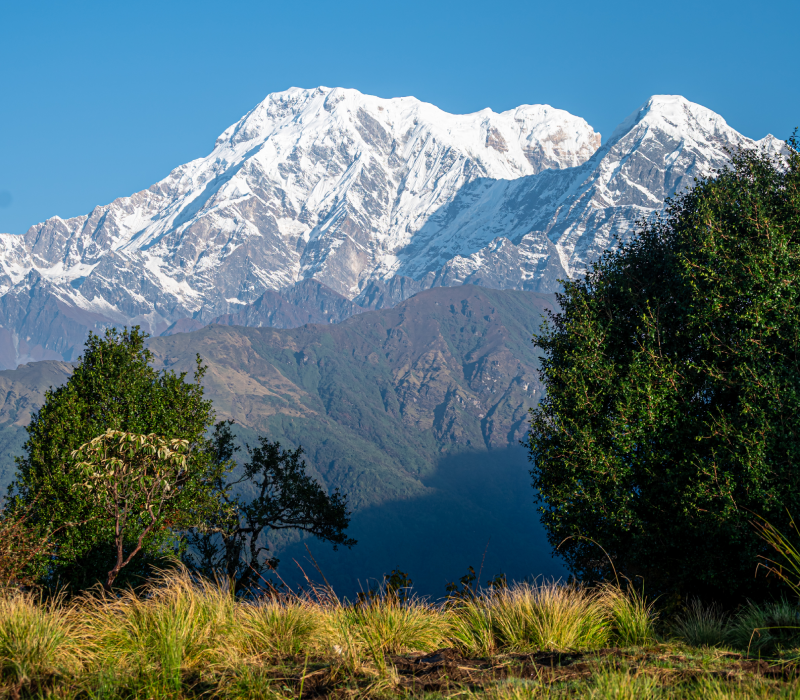
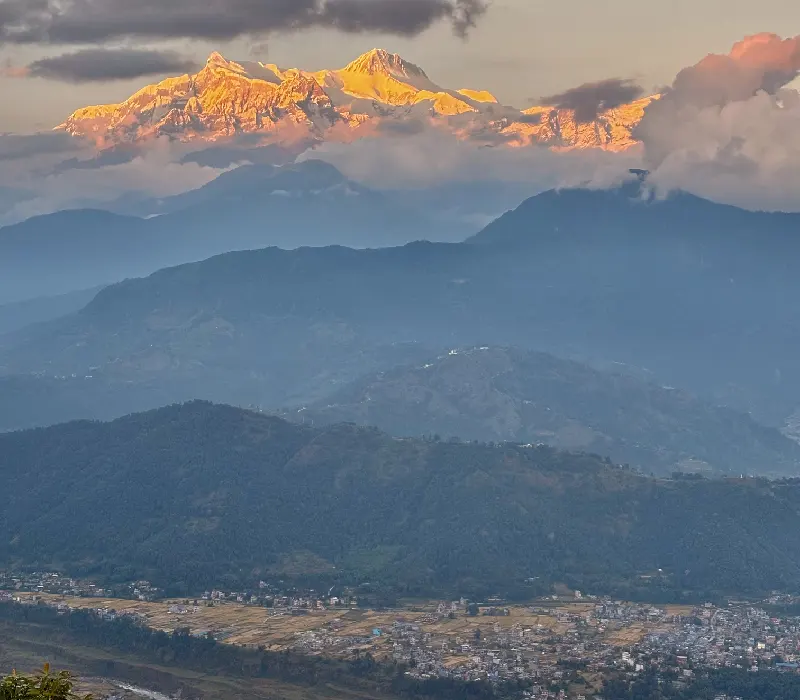
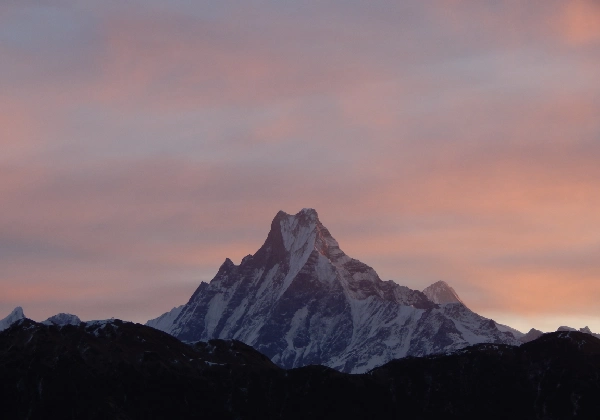
  • A Magnificent  view of snow-capped mountains like Annapurna, Dhaulagiri, and Machhapuchhre
  • Encounter varied species of wild animals and birds.
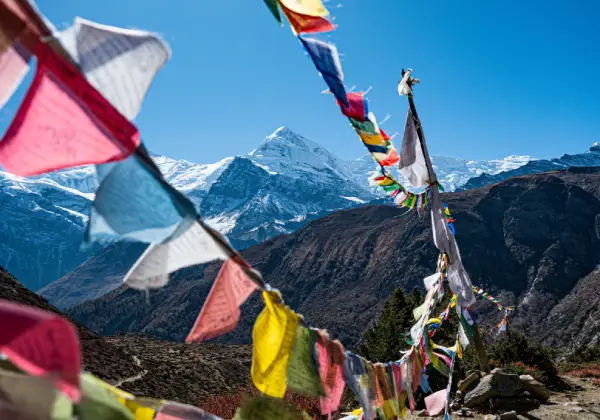
  • Experience unique culture, lifestyle and tradition.
  • The maximum altitude is 4900 M for this Trek.

Overview

The Mardi Himal trek is an easy yet beautiful trek in Annapurna Region. Starting from 1-hour jeep ride from Pokhara, the trail begins from a place called Pothana. This trek is relatively shorter than other trails.

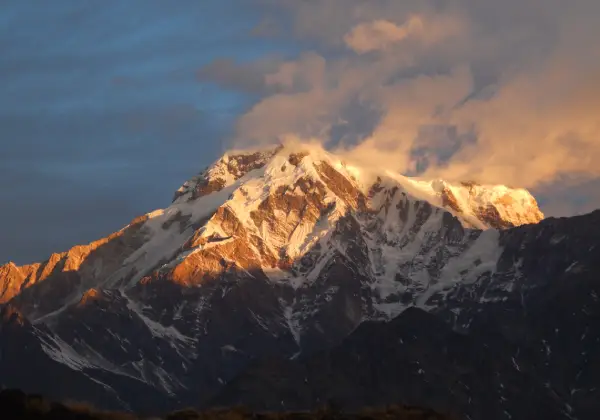
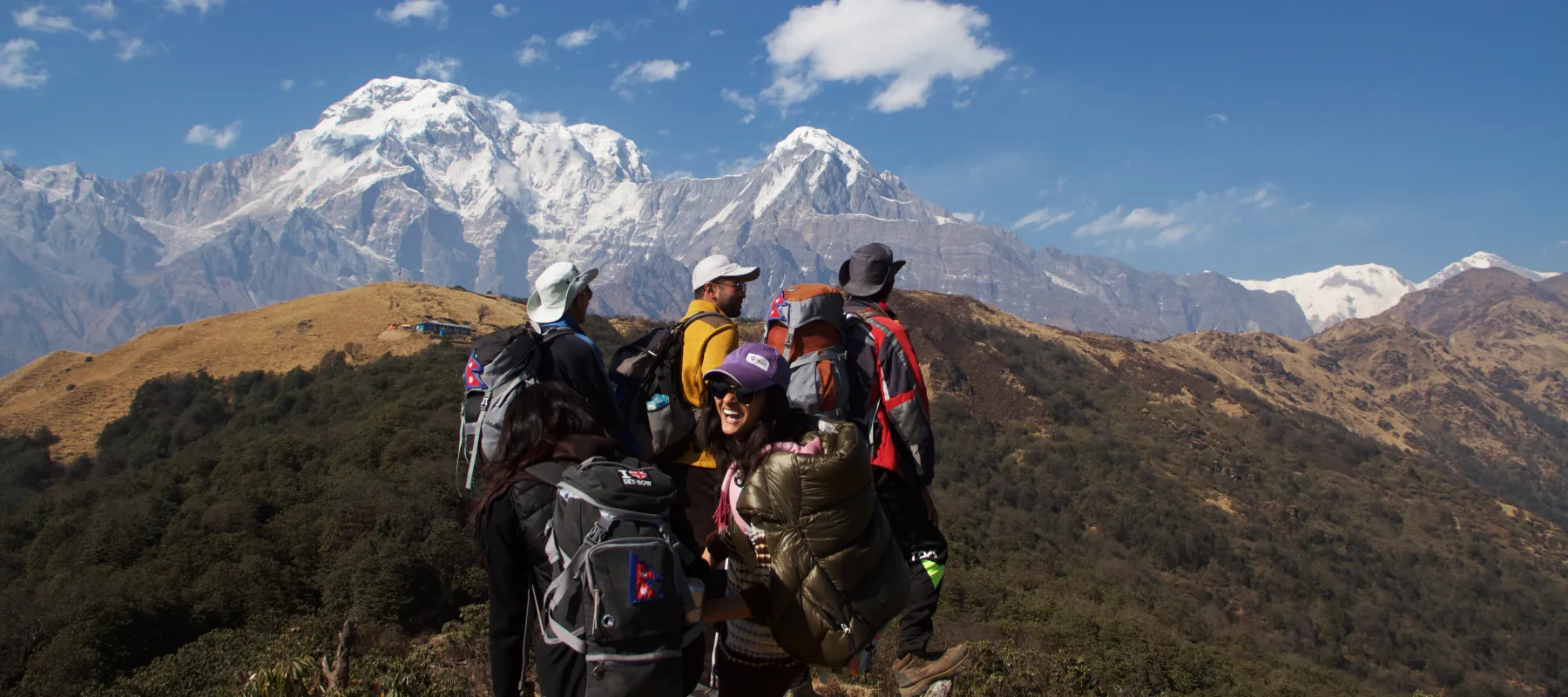
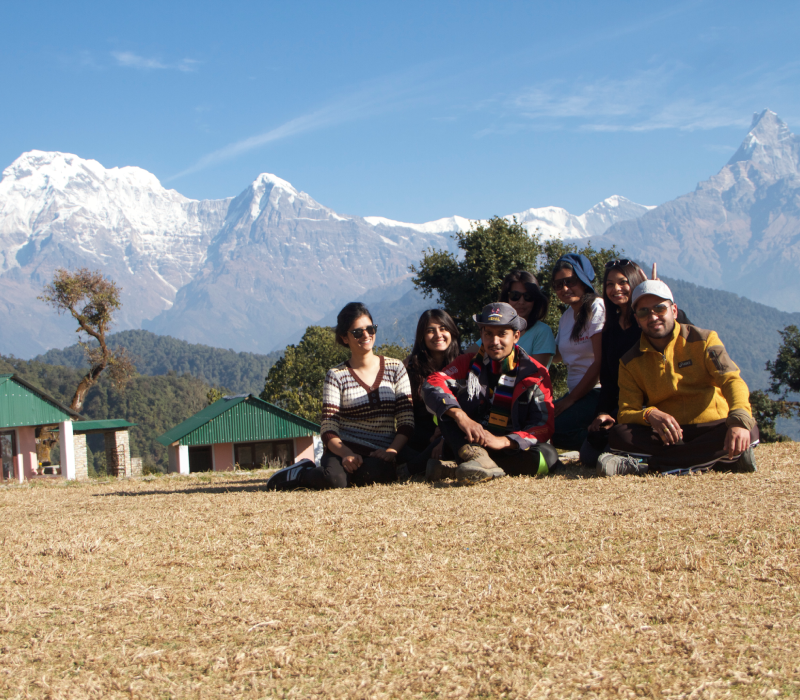
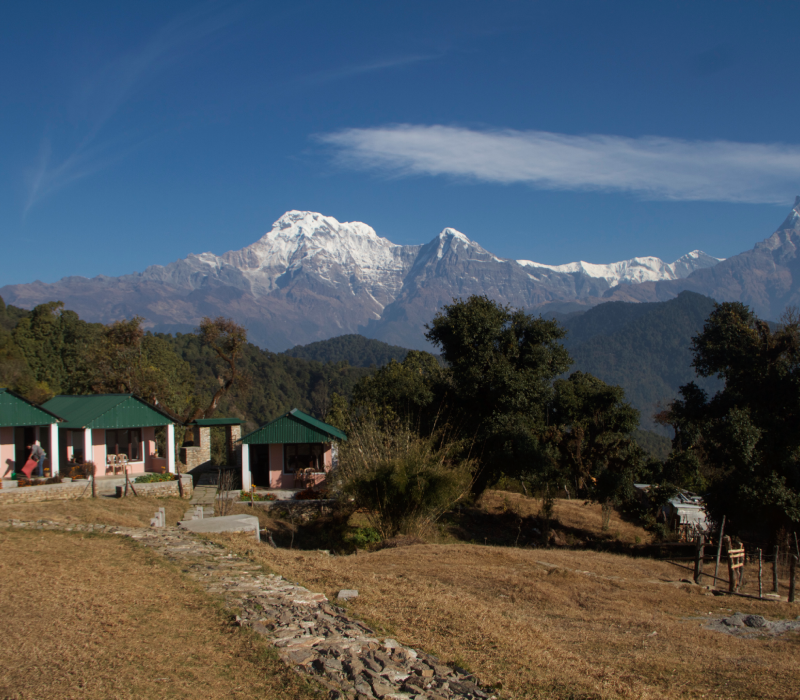
However, the Mardi Himal Base Camp trek offers you breathtaking views of many mountain ranges. Annapurna Range, Manaslu, Dhaulagiri, and Mount Machhapuchhre are the mountains you can get a glimpse of. You will see beautiful small villages and irrigation fields along the way. You might encounter some wildlife in the area as well. Reaching Mardi Himal base camp gives you a feeling of being right in the lap of Mardi Himal and Machhapuchhre Mountain. You will pass through beautiful rhododendron, pine and juniper forest and spectacular landscape before you reach base camp. This trek is a complete package for trekkers who have limited time to explore Nepalese nature’s beauty.
From US$ 1075 US$ 975 (Price varies by group size)

Talk to an Expert

Sital Subedi Bhupal Sangroula

sital@hitthehimalaya.com
bhupal@hitthehimalaya.com

+1 519-619-9402

Day 01 Day 1: Arrival in Kathmandu

  • Walking DistanceN/A
  • Highest Altitude1400m/4593ft
  • AccommodationHotel
  • Included mealsBreakfast
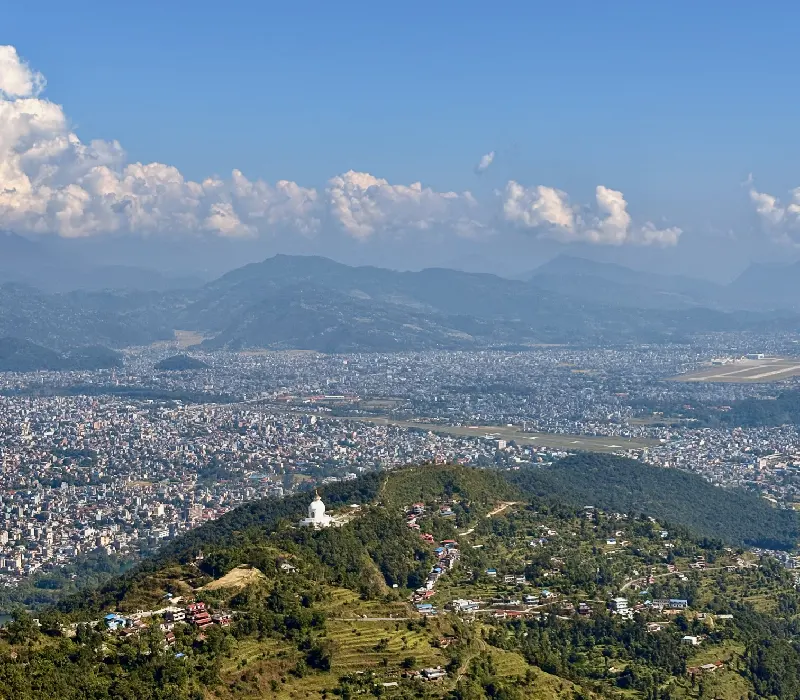
Our trek starts with a 6-7 hour ride from Kathmandu to Pokhara early in the morning. We will be on a hillside road for our whole journey. We will enjoy the beautiful view of villages and winding roads along the way. We will stop for lunch on our way to Pokhara. On our first day, we will stay on the lakeside and enjoy the beautiful lake city of Pokhara with amazing mountain views.

Day 2 Drive to Pokhara and to Phedi and trek to Pothana

  • Walking Distance6 km
  • Highest Altitude1900m/6234ft
  • AccommodationTea House
  • Included mealsBreakfast, Lunch & Dinner
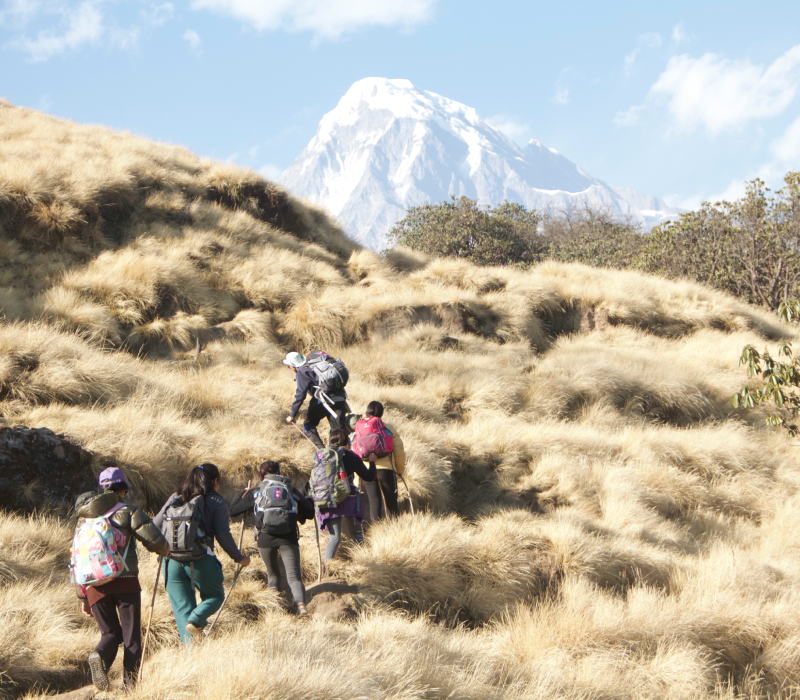
Early morning, we will take a bus to Pokhara and to Phedi. The bus ride is 6 hours to Pokhara and 1 extra hour to Phedi, but it’s very scenic. After reaching Phedi, we will start hiking up to Pothana through the beautiful rhododendron and pine forest. Our lunch stop for that day will be Dhampus. Dhampus is a beautiful Gurung community village from where you can see the spectacular view of the Lamjung, Manaslu and Annapurna mountain ranges. After finishing our lunch, we will continue climbing up to Pothana, enjoying the beautiful landscape. At the entry point to Pothana, we will collect our ACAP\TIMS card from the checkpoint. We will enjoy our stay at Pothana on that day.

Day 3 Day 03: Trek from Pothana to Forest Camp (2554m)

  • Walking Distance5 km
  • Highest Altitude2554m/8379ft
  • AccommodationTea House
  • Included mealsBreakfast, Lunch & Dinner
We will start our day early with a nice breakfast. Today we are hiking uphill and gaining some elevation. Hiking through a very deep forest along with the beautiful mountain view of Dhaulagiri, Annapurna and fishtail mountain, we will ascend towards Forest Camp. If you are lucky enough, you might encounter some wildlife as well. There is a high chance of seeing a beautiful bird called Lophophorus on this trek. Lophophorus is a national bird of Nepal and it has 9 different colours on its body. Forest camp is the last stop for that day where we will camp for the night.

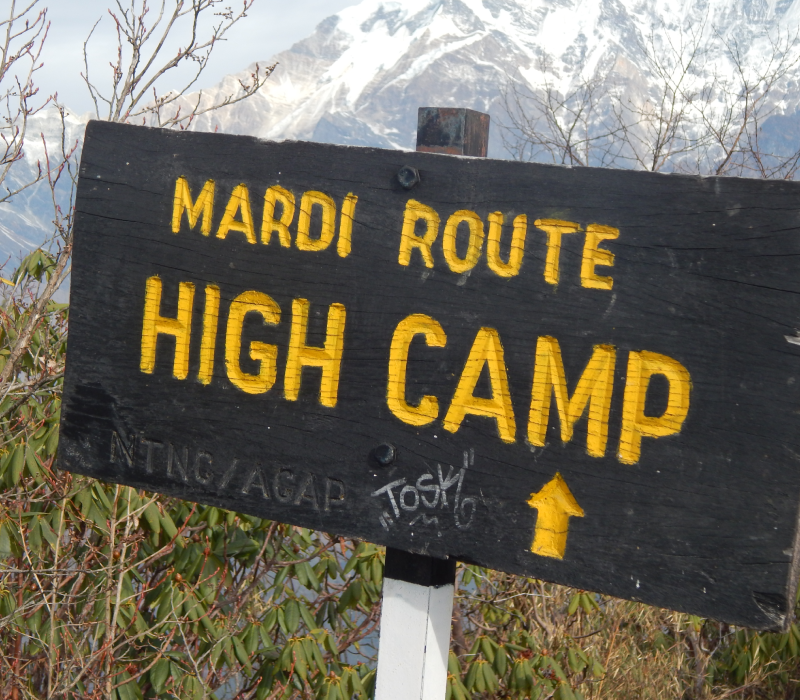
Day 4 Forest Camp to High Camp

  • Walking Distance8.5 km
  • Highest Altitude3980m/13057ft
  • AccommodationTea House
  • Included mealsBreakfast, Lunch & Dinner
After a heavy breakfast, we will start our hike uphill again. The journey today could be a bit tougher because you are climbing a higher altitude. After a few hours of climbing, the forest clears up and you will be rewarded with an astonishing view of Machhapuchhre mountain, Dhaulagiri and Annapurna range. The journey gets a bit easier in the middle. However, you will be ascending uphill until you finally reach high camp. You will be amazed to see the mountain so close to you upon your arrival at the high camp. Overnight at High camp.

Day 5 Day 05: Trek to Mardi Himal Base Camp (4500m)

  • Walking Distance11-12 km
  • Highest Altitude4500m/14763ft
  • AccommodationTea House
  • Included mealsBreakfast, Lunch & Dinner
Today, we wake up early in the morning for a beautiful sunrise over the Annapurna range. While enjoying a beautiful sunrise, we will eat our breakfast as well. After breakfast, we will start our hike to Mardi Base Camp. We will only take essentials on our way to base camp. The trail gets narrow and steep. Today you are reaching the maximum point of this trek which is Mardi Himal Base Camp (4500) Metres. A hard climb up to base camp is very rewarding as you will be surrounded by spectacular mountains and amazing landscapes. After spending quality time at the base camp, we will descend to the High camp and stay there overnight.

Day 6 Day 06: Trek to Siding Village

  • Walking Distance8-9 km
  • Highest Altitude1750m/5741ft
  • AccommodationTea House
  • Included mealsBreakfast, Lunch & Dinner
After breakfast, we will start descending from high camp to low camp. We will stop at the low camp for lunch from where we will take a path to Mardi Khola. Through a thick forest, we will continue climbing down slowly. After a relaxing hike for a few hours, we will reach the beautiful village of Siding. Siding is well known for its hospitality. We will enjoy a pleasing stay in the village for the day.

Day 7 Day 07: Trek to Sidlaghatta and drive to Pokhara

  • Walking Distance6 km
  • Highest Altitude878m/2881ft
  • AccommodationHotel
  • Included mealsBreakfast, Lunch & Dinner
After enjoying a big hearty breakfast, we will descend to Lumre village. We will enjoy a beautiful and easy trail along with gorgeous villages and agricultural land. Upon reaching Lumbre, we will take an hour jeep ride to Pokhara. Overnight at Pokhara.

Day 8 Day 08: Drive back to Kathmandu

  • Walking DistanceN/A
  • Highest Altitude1400m/4593ft
  • AccommodationHotel
  • Included mealsBreakfast, Lunch & Dinner
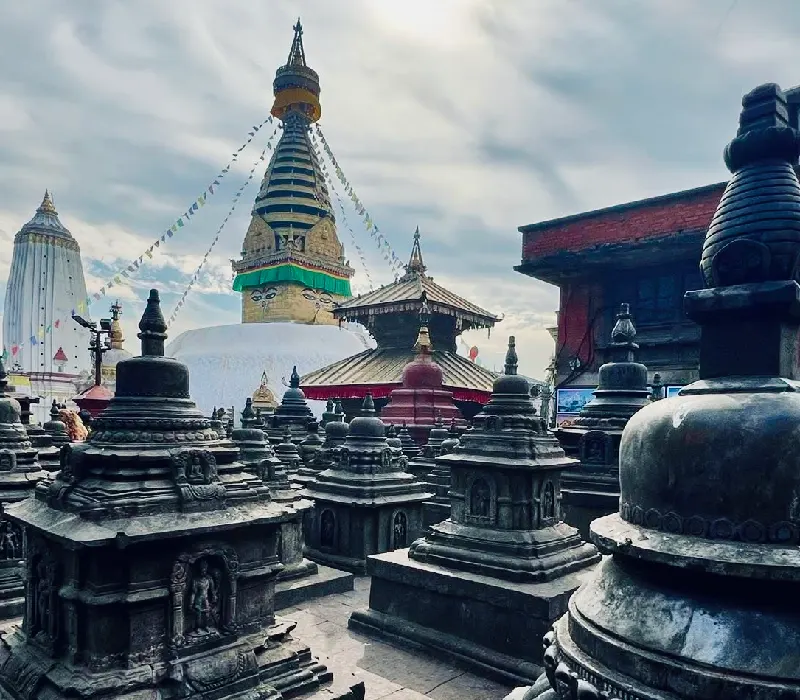
Today is the last day of our great adventure together. We will enjoy a bit of the beauty of Pokhara city and drive back to Kathmandu. We will drop you off at your destination in Kathmandu with a goodbye. You can explore the historic city of Kathmandu and enjoy your pleasant stay in Nepal until you return.

What's Included

  • All the transportation during the trek.
  • Flight from Kathmandu – Pokhara round trip.
  • Accommodation and equipment during the trek.
  • Breakfast, Lunch, Dinner
  • 3-star hotels with B and B.
  • Professional and Licensed English speaking Guide.
  • UNESCO site entrance fees in Kathmandu.
  • Porters to carry your luggage during the trek (1 porter for 2 Persons), their wages, medicine, insurance and necessary equipment.
  • All necessary Permits & TIMS cards (Trekker’s information management system)
  • Travel & Rescue arrangement.
  • Farewell dinner in Authentic Nepali Restaurant and gifts.
  • All our government taxes, vat, official expenses & service charges

What's Not Included

  • All personal expenses.
  • Personal clothing, gear, sleeping bag and other necessary items.
  • Tipping guides and porters.
  • Cost raised by flight cancellation, emergency rescue charges, landslide, weather, political unrest, illness, re-routing etc which are not under our control
  • Personal food consumption.
  • International Flight, Airport tax and Nepal Visa fee

FAQs For Mardi Himal Base Camp Expand All Collapse All

General Information

Typically, 7-10 days, depending on route and acclimatization.

March–May and September–November for clear skies and pleasant weather.

4500 meters (14,763 ft.) at the Base Camp itself.

Daytime: 15–25°C, Night: can drop to -5°C.

TIMS card and Annapurna Conservation Area Permit (ACAP).

Wi-Fi is available for a fee; mobile networks are available in lower regions.

Teahouses offer basic amenities, including shared rooms and bathrooms.

Who Can Trek ?

Not mandatory, but good physical fitness is necessary.

Yes, especially with a local guide or joining a group trek.

Yes, with medical clearance and a slower itinerary.

Yes, it’s a moderate-level trek with manageable trails.

Children above 10 with proper support and gradual ascent can manage it.

Only with the doctor’s approval and necessary precautions.

Not mandatory but highly recommended for safety and comfort.

Trek Preparation & Packing

Travel insurance that covers trekking above 4,000m and emergency evacuation.

Layers, down jacket, waterproof outerwear, trekking boots, headlamp, gloves, and sleeping bag. More Information below.

Yes, quality gear is available in Kathmandu.

Cardio training, leg strength workouts, and hiking practice for 4–6 weeks.

Keep it under 6-8 kg; porters carry up to 20–25kg.

Waterproof trekking boots with ankle support.

Yes, carry water purifier tablets and energy snacks, such as protein bars.

Food, Health & Safety

Local Dal Bhat, noodles, pasta, pancakes, soups, and tea/coffee.

Yes, the food in teahouses is hygienic and prepared fresh.

Boiled water is available; carry purification tablets or a good bottle.

Rest, hydrate, and descend if symptoms worsen. Always inform your guide.

Yes, but limited clinics are in High Camp and Pokhara.

Not recommended; risk of landslides (monsoon) and snow blockage (winter).

Avoid cold foods, stay hydrated, and carry a basic medical kit.

Cost & Booking Info

Ranges from $800–$1000 depending on package, duration, and services.

Accommodation, meals, permits, guide/porter services, and transportation.

Wi-Fi, hot showers, charging, bottled water, and snacks are extra.

Yes, but pre-booking is better during peak seasons.

Yes, 10–30% advance to confirm the booking.

Yes, for 3 or more trekkers, we offer discounted rates.

Yes— around 10% of the total trek cost for guides/porters.
Fix Date

View Packing Checklist

Insurance

If you’re planning a trekking adventure in Nepal—especially at high altitudes, it’s smart to arm yourself with the right insurance. Here’s what you need to know:

Why You Definitely Need Trekking Insurance in Nepal

  • Not always legally required, but almost every trekking agency in Nepal will require you to carry valid travel insurance with emergency medical evacuation and repatriation coverage.
  • In the remote Himalayas, helicopter rescues are common due to altitude sickness or injury—and without insurance, these cost thousands of dollars.

Must-Have Coverage Features

  1. High-altitude trekking coverage
    • Your insurance must match or exceed your planned maximum altitude.
    • Providers vary widely—some cap at 4,000 m, others go up to 6,000 m or more.
  2. Helicopter evacuation & emergency medical care
    • Ensure the policy includes both—ideally with pre-authorization or direct billing options.
  3. Adventure activity & trip protection
    • Coverage should include trekking, trip cancellation/interruption, lost baggage, and possibly COVID-related disruptions.
  4. Sufficient medical coverage
    • Aim for coverage limits of at least USD 100,000 for emergency medical expenses.

Top Insurance Providers for Nepal Trekking

Based on altitude coverage, assistance services, and user recommendations, here are some top choices:


Provider


   Altitude Coverage

              Notable Features

World Nomads Up to ~6,000 m (Explorer plan up to ~7,000 m). Popular for trekkers; includes helicopter evacuation and trip protection.
Global Rescue 

 IMG)

No altitude cap (with add‑on). Excellent for rescue; needs a travel insurance add-on for broader coverage.
IMG Global Up to ~5,500 m. Good for proper mountaineering packages.
Safety Wing Base up to ~4,500 m (with add‑on for up to 6,000 m). Great for long-term travellers and nomads.
Allianz Travel Standard ~4,000 m (premium plans higher). Strong medical coverage and trip cancellation options.
True Traveller Up to ~6,000 m. Tailored for UK/European adventure travellers.
Local Nepal-focused Plans Up to ~ 5,500 m. Designed specifically for Nepal treks. May offer local support and cashless claims.


Permit Requirements:

  1. Annapurna Conservation Area Permit
  1. Trekkers Information Management System (TIMS) card.

Essential Gear Checklist — Categorized

Clothing: Layer Up Smartly

  • Base Layers: Moisture-wicking long-sleeves and bottoms (synthetic or merino), about 2–3 sets
  • Mid Layers: Fleece or microfleece jackets for insulation
  • Insulated Jacket: Puffy down/synthetic warm layer (~700 fill power suggested)
  • Shell Layer: Waterproof, breathable jacket (e.g., Gore-Tex) and waterproof pants
  • Trekking shirts, pants, and shorts—lightweight and quick-dry
  • Headgear: Sun hat or cap, warm beanie, and buff/neck gaiter
  • Gloves: Lightweight liners plus insulated, waterproof outer gloves

Footwear

  • Waterproof, broken-in hiking bootswith strong ankle support
  • Camp shoes or sandalsfor evenings in teahouses
  • Hiking socks(4–7 pairs) and liner socks are optional for extra comfort
  • Gaitersare handy for muddy or snowy conditions

Bags & Storage

  • Main backpack:
    • Teahouse treks: 35–50 L (if using a porter, you can go smaller)
    • Camping treks: 50–70
  • Daypack(20–30 L) for daily essentials
  • Rain cover, dry sacks, and compression cubes for water-tight organization

Trekking Essentials

  • Trekking poles—helpful on rough terrain
  • Headlamp / Flashlight + extra batteries
  • Sunglasses with UV protection
  • Water bottles (min. 3 L) and purification method(tablets, filter, or UV)
  • Navigation Tools: physical map, compass, GPS (good to carry all)
  • Emergency items: first aid kit, emergency bivy or space blanket, fire starter, satellite phone or beacon if remote

Health & Hygiene

  • First aid supplies: painkillers, blister treatment, antiseptic, antihistamine, anti-diarrheal, altitude meds (e.g. Diamox), personal prescriptions
  • Toiletries: toothbrush, toothpaste, soap, quick-dry towel, wet wipes, toilet paper, hand sanitizer, lip balm & sunscreen SPF 50+
  • Pee bottle—very handy for cold nights!

Personal & Miscellaneous

  • Documents: passport (plus copies), Nepal visa, trekking permits (TIMS, parks)
  • Cash (Nepali rupees), as many remote areas lack card readers
  • Electronics: phone with offline maps, power bank (20,000 mAh), charging cables, adapter (Type C/D/M); optional solar panel
  • Camera, extra batteries, memory cards
  • Personal touches: journal, book or Kindle, snacks, pen, earplugs, small lock


Physical fitness:

Trekking to the Mardi Himal Base Camp is a physically demanding activity, and it requires a good level of physical fitness. One should engage in regular cardiovascular and strength-building exercises for at least a few months before embarking on the trek. Exercises such as hiking, running, cycling, and strength training will help prepare the body for the rigours of trekking.

Adequate acclimatization:

Core Principles of Altitude Acclimatization

1. Ascend gradually: slow and steady wins

  • Once you’re above ~3,000 m, aim to ascend no more than300–500 m (1,000–1,600 ft).
  • After ascending ~1,000 m total, insert a rest or acclimatization day, staying at the same altitude.
  • The proven approach? Climb high, sleep low—go higher during the day, but come back down to sleep.

2. Take scheduled acclimatization days

On key treks with high elevation in Nepal

  • Rest at 3000 metres—usually for 1 to 2 nights. Rest again at 4000 metres —typically 1nightto cope with altitude above ~4,900 .
  • Overall, standard expeditions build in two full acclimatization days.
  • Hydrate and fuel your body
  • Drink 3–4 litres of fluids per day—water is vital, as dry, high-altitude air increases fluid loss.
  • Favour light, carbohydrate-rich meals (rice, pasta, soups, dal bhat) to maintain energy. Avoid things that hamper acclimatization
  • Alcohol, smoking, and sleeping pills are strongly discouraged—they dehydrate, reduce oxygen intake, and impair breathing.
  • Consider medication—but consult a doctor
  • Acetazolamide (Diamox) can help prevent AMS. Typical dosage: 125–250 mg twice daily, starting a day or two before climbing.
  • Always consult with a healthcare provider before use. Side effects may include tingling sensations and frequent urination.

3. Recognize early symptoms and respond appropriately

  • Mild AMS signs: headache, nausea, dizziness, fatigue, insomnia
  • If symptoms appear: stop ascending, rest, hydrate, and descend if they worsen. Severe AMS—especially HAPE or HACE—requires immediate descent.
  • Trekking with experienced guides improves safety—they monitor symptoms and can arrange oxygen or helicopter evacuation if needed
  • Always have travel insurance that covers high-altitude emergencies and rescue.

Why This Matters

  • Proper pacing and acclimatization reduce the risk of AMS, HAPE, HACE, and evacuation needs.
  • Hydration, diet, and active rest support both physical and mental well-being at altitude.
  • Guided treks with safety protocols make your journey not just possible—but also memorable.

What People Share from Experience

These firsthand accounts reinforce why acclimatization planning and hydration are non-negotiable.

Acclimatization is the process of adapting to high altitudes. As you trek higher, the air becomes thinner, and the body needs time to adjust. Adequate acclimatization is essential to prevent altitude sickness, a potentially fatal condition. It is recommended to spend a few days at lower altitudes to allow the body to acclimatize before climbing higher.

A knowledgeable guide:

Trekking to Mardi Himal Base Camp is a decent activity, and having a knowledgeable guide is essential for success. A guide will help navigate the route, provide information about the local culture, and assist in case of any emergencies. It is important to choose a guide who is experienced and knowledgeable about the trek.

Proper nutrition and hydration:

Proper nutrition and hydration are crucial for maintaining energy levels and preventing altitude sickness. It is recommended to consume a high-carbohydrate and protein-rich diet to provide the necessary fuel for the body. It is also important to drink plenty of fluids to stay hydrated. It is recommended to carry a water purification system or tablets to ensure access to clean water.

Mental preparation:

Trekking to Mardi Himal Base Campis a mentally less challenging activity compared to big treks in Nepal. However, it requires a decent level of patience, perseverance, and mental toughness. It is important to be mentally prepared for challenges and to have a positive attitude. It is also important to be aware of the risks and to take appropriate precautions.

Respect for the environment and local culture:

Trekking to Mardi Himal Base Camp is an opportunity to experience the unique local culture and environment. It is important to show respect for local culture and customs and to minimize environmental impact.

Basic first aid knowledge:

Basic first aid knowledge is essential for trekking to the Mardi Himal Base Camp. It is important to know how to treat common injuries and illnesses, such as blisters, altitude sickness, and hypothermia. It is recommended to carry a basic first aid kit with essential items such as bandages, antiseptics, and pain relievers.
Contact us