| No. of people | Price P.P |
| 1 | US$ 1450 |
| 2 to 5 | US$ 1400 |
| 6 to 10 | US$ 1350 |
| 11 - Above | US$ 1350 |
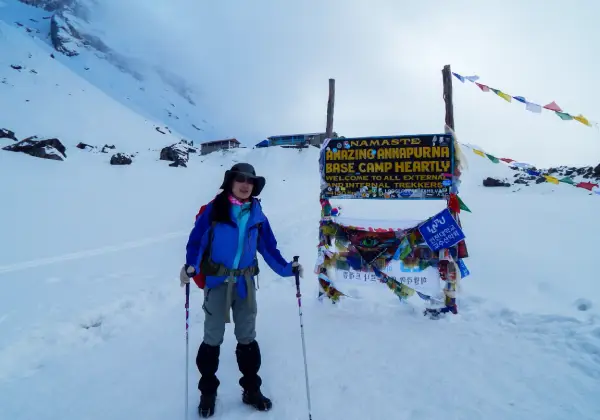
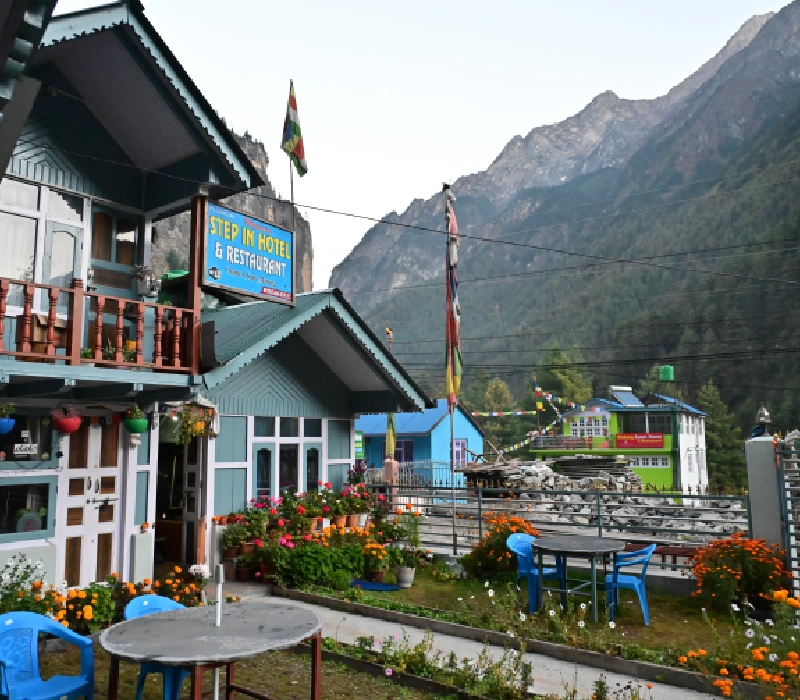
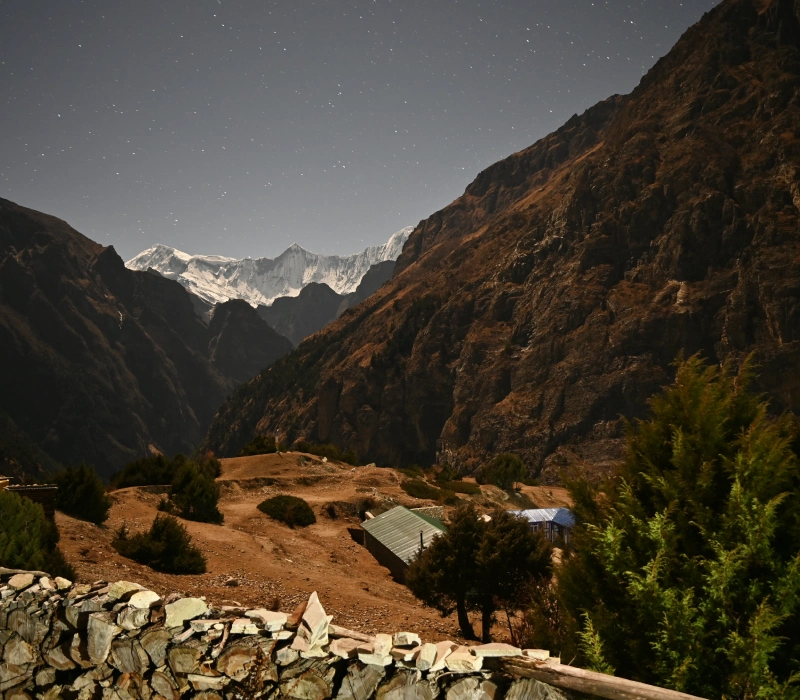
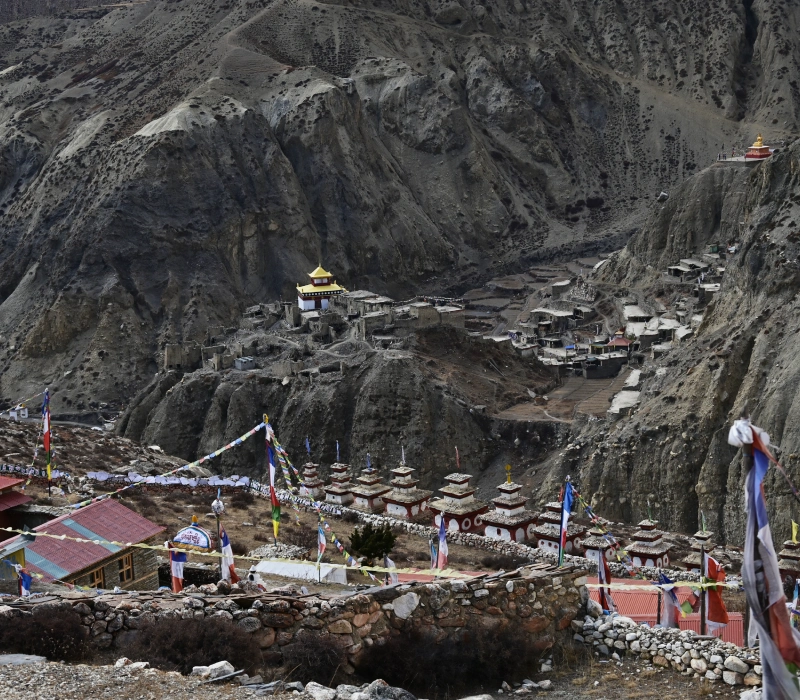
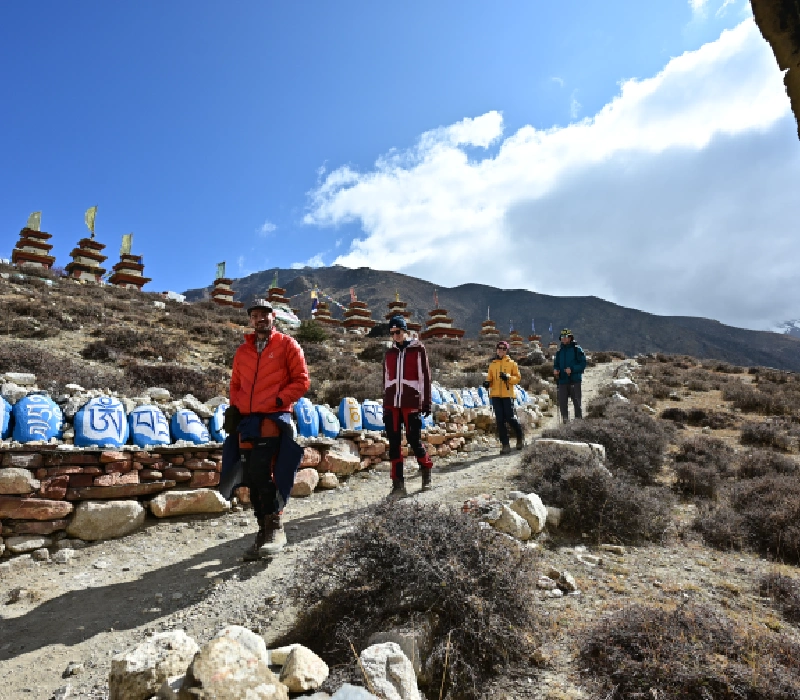
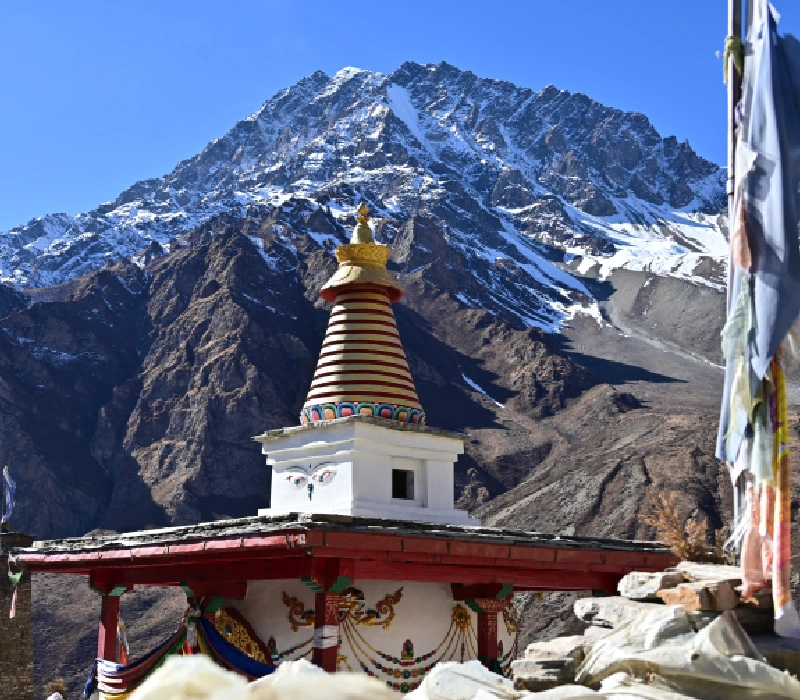
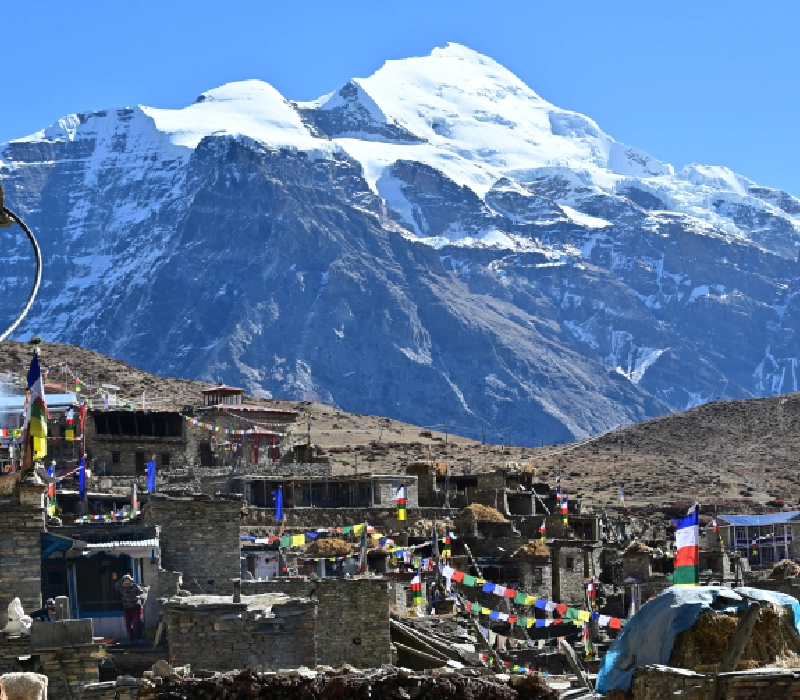
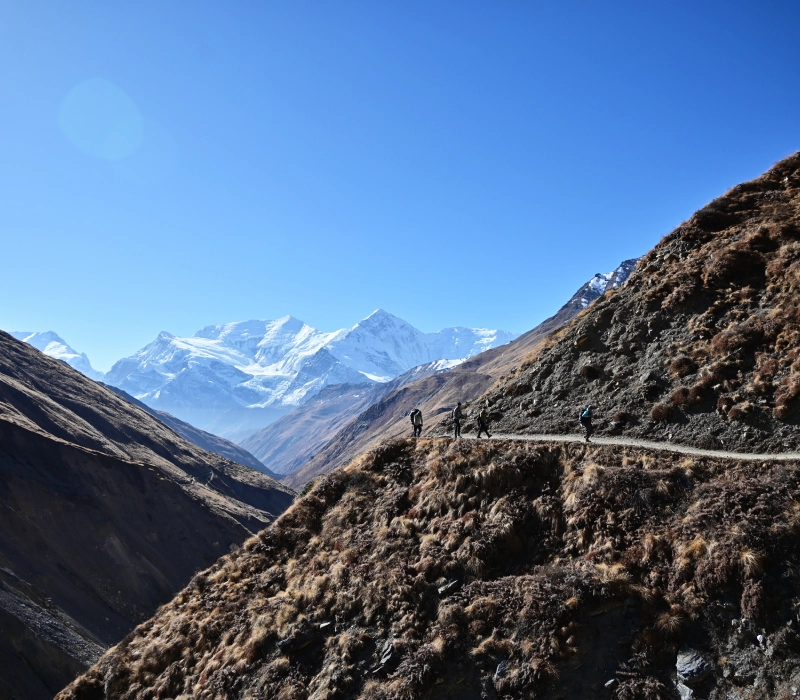
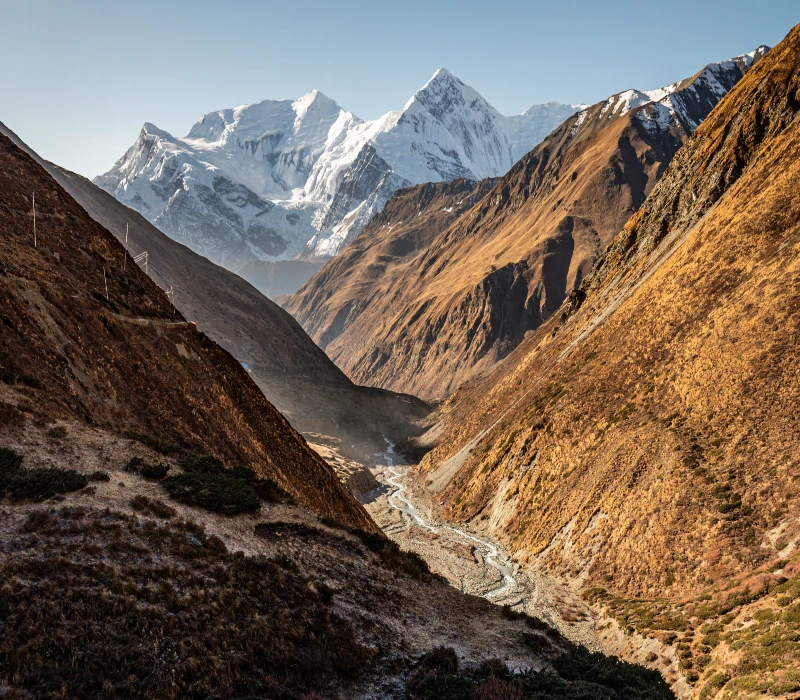
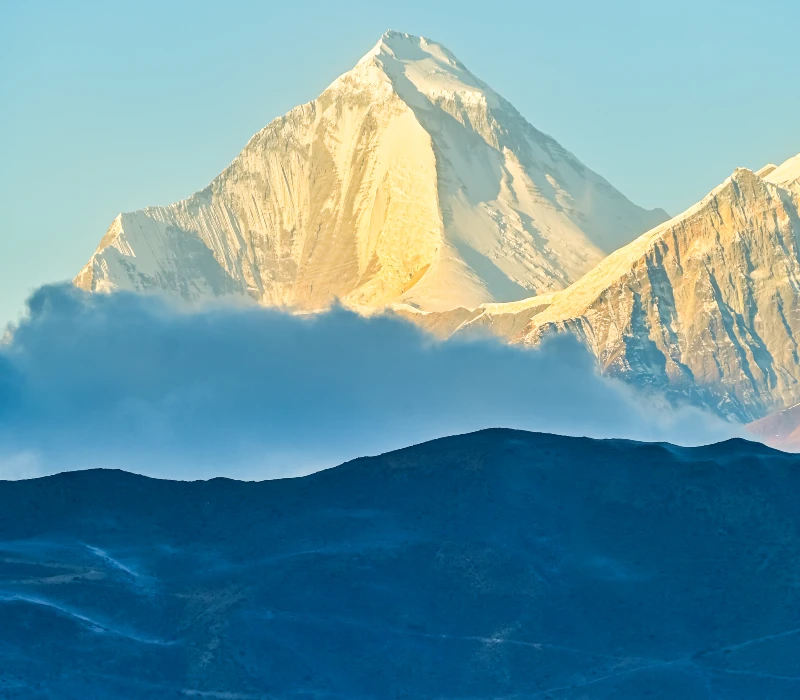
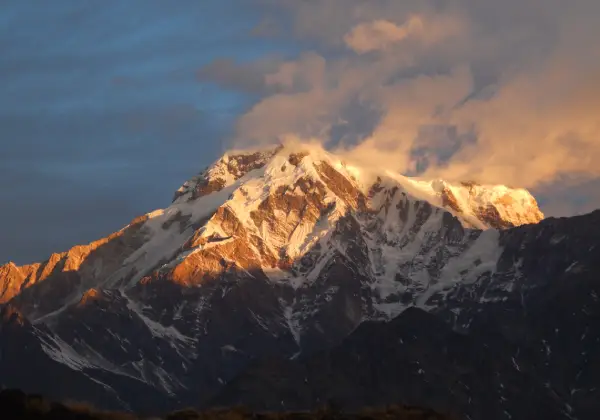
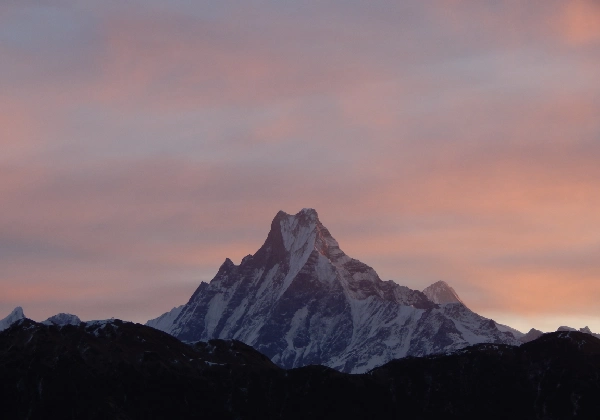
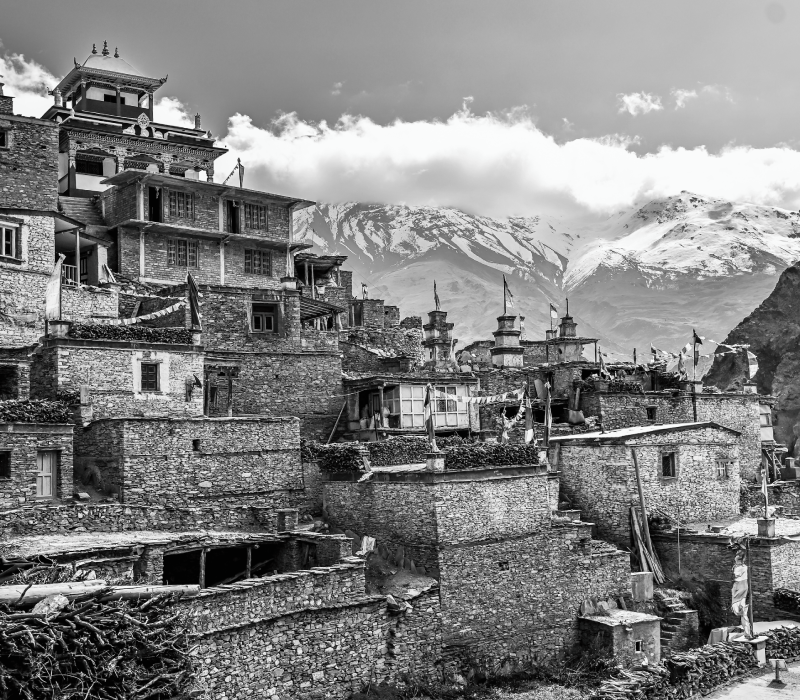
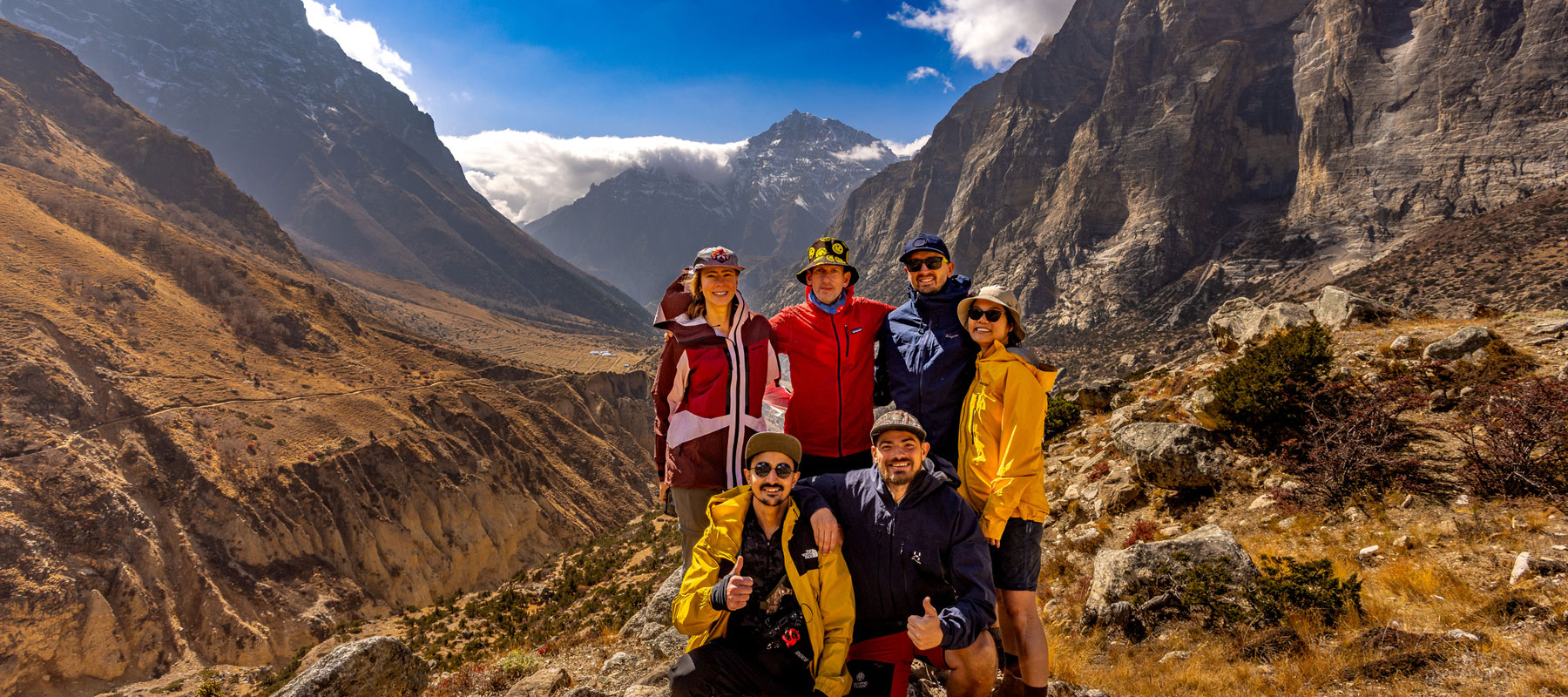
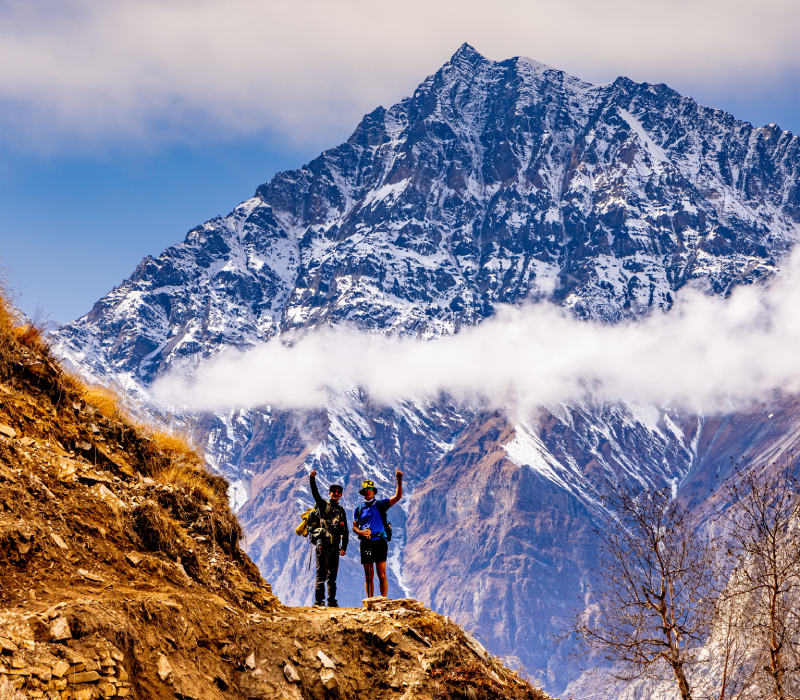
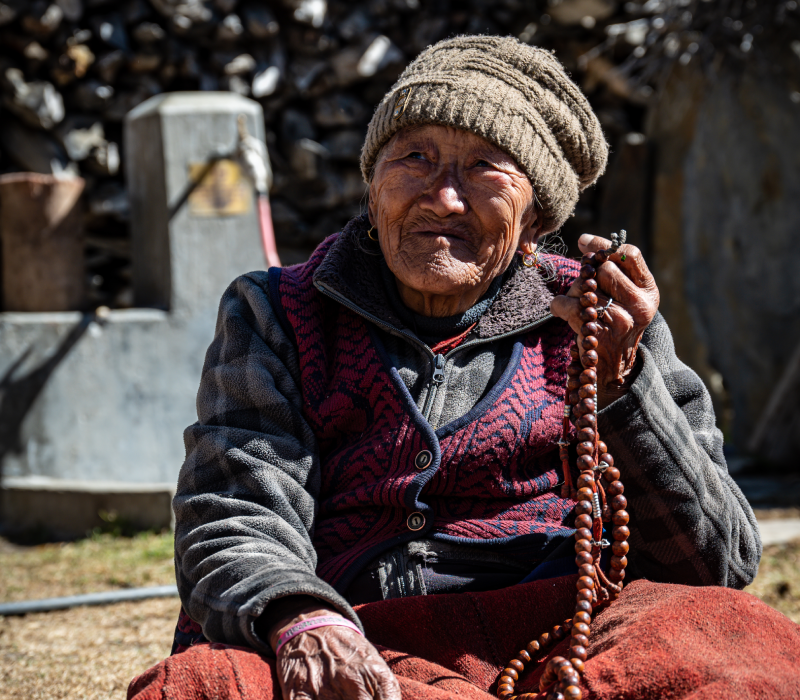
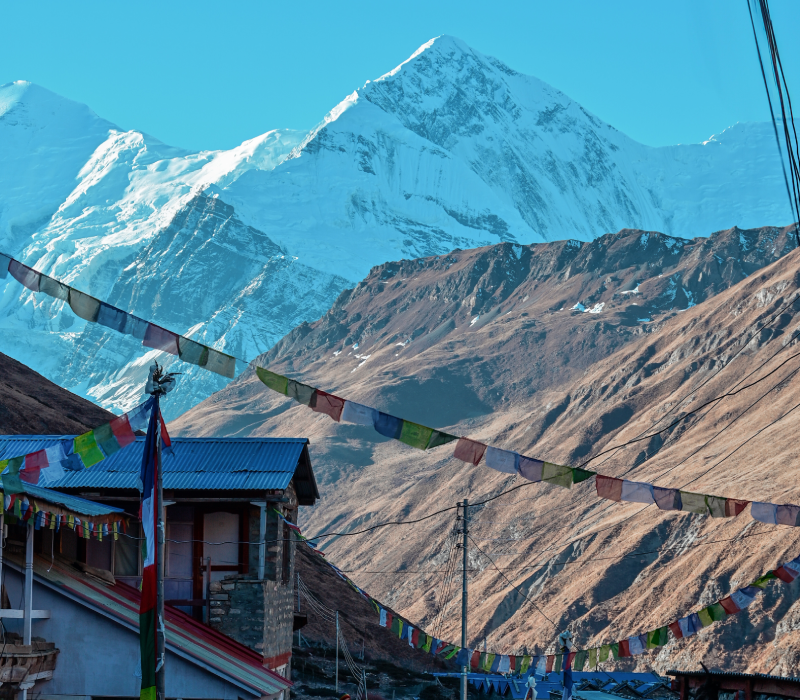
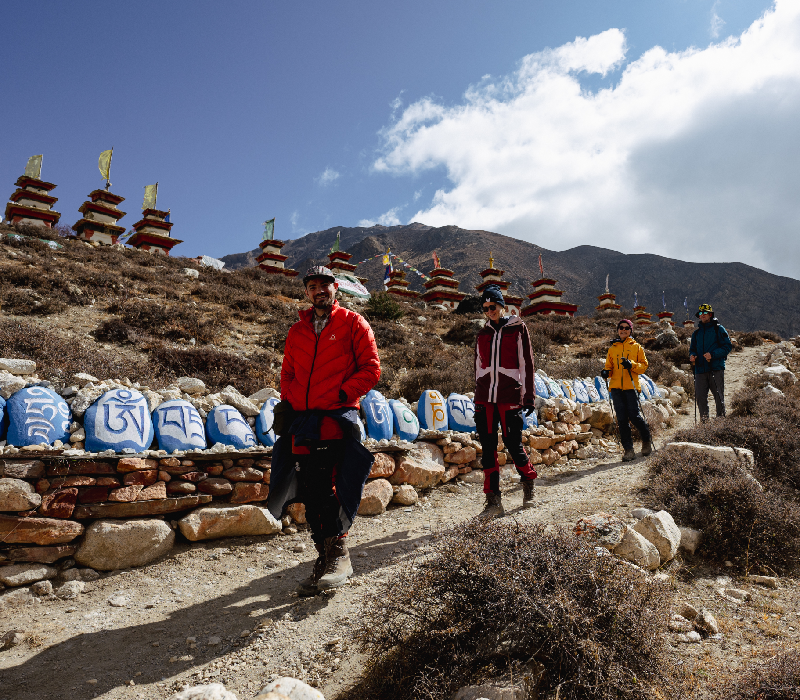
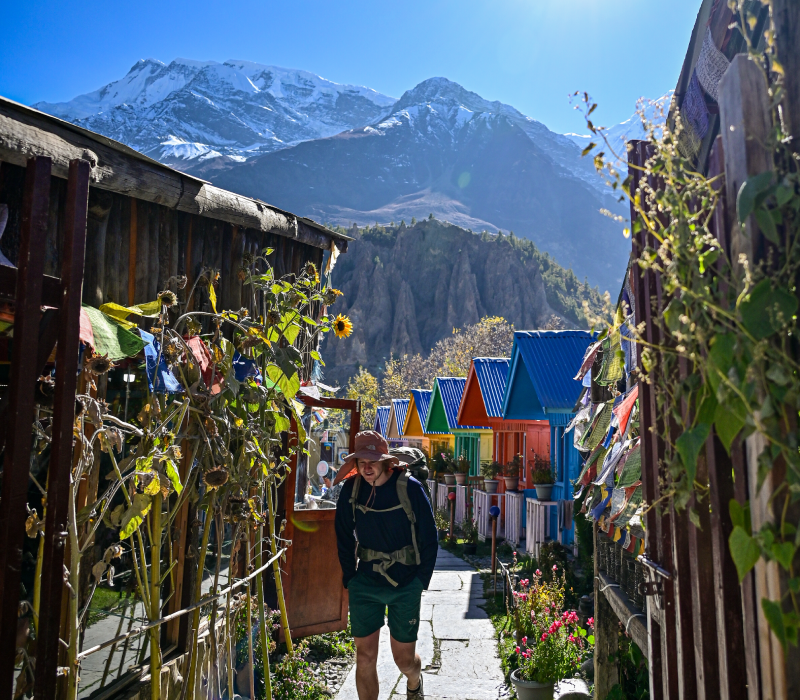
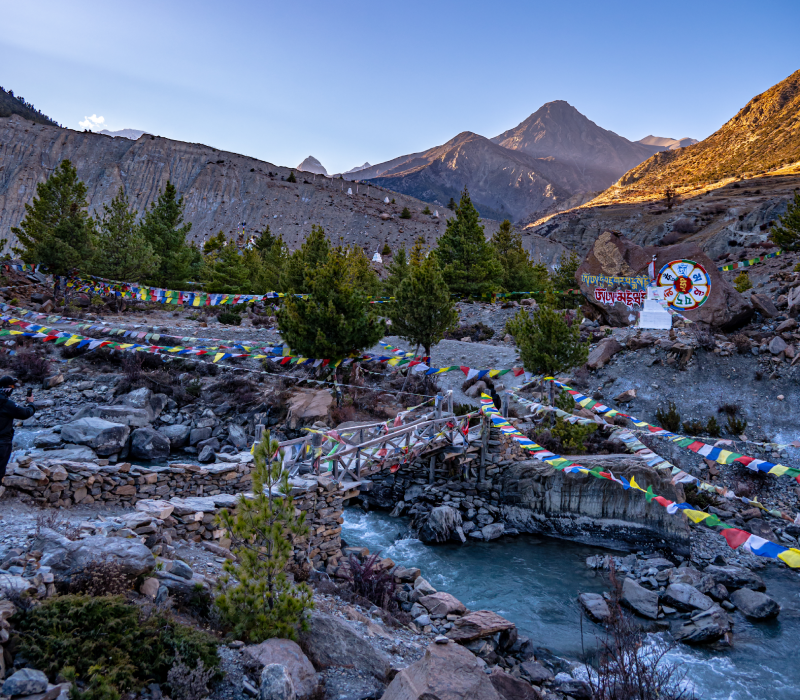
The Nar Phu Valley trek is a wild and uncharted destination, offering a wealth of medieval Tibetan culture and festivities, as it is home to the Tibetan Buddhist ethnic people. Beyond its cultural significance, Narphu Valley is renowned for its breathtaking views of majestic mountains, including Annapurna, Dhaulagiri, Manaslu, Tilicho Peak, and Lamjung Himal. During your journey to the Nar and Phu valley, you will revel in the sights of traditional Tibetan towns, amazing rock formations, high-altitude grazing settlements, narrow gorges, thick woods, and spectacular snow-capped peaks.
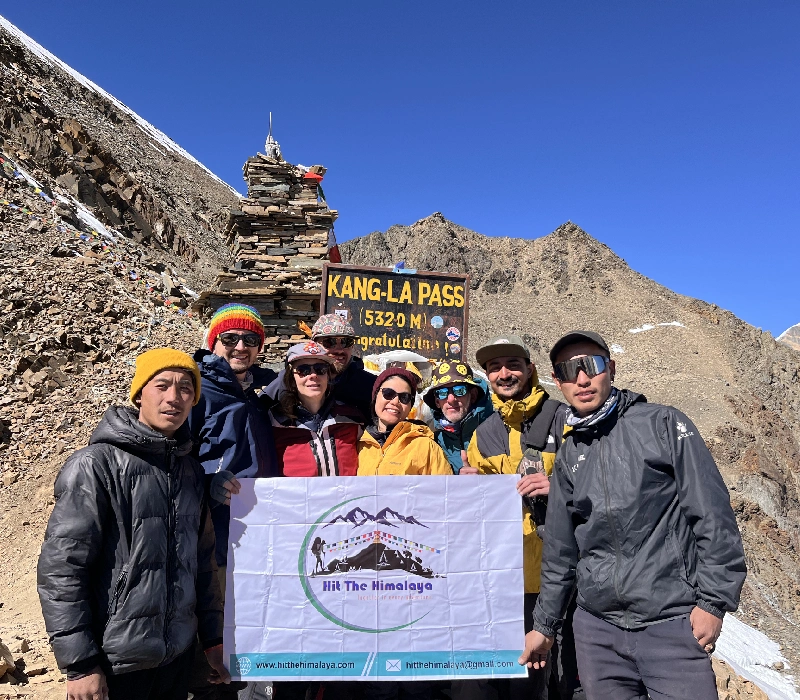
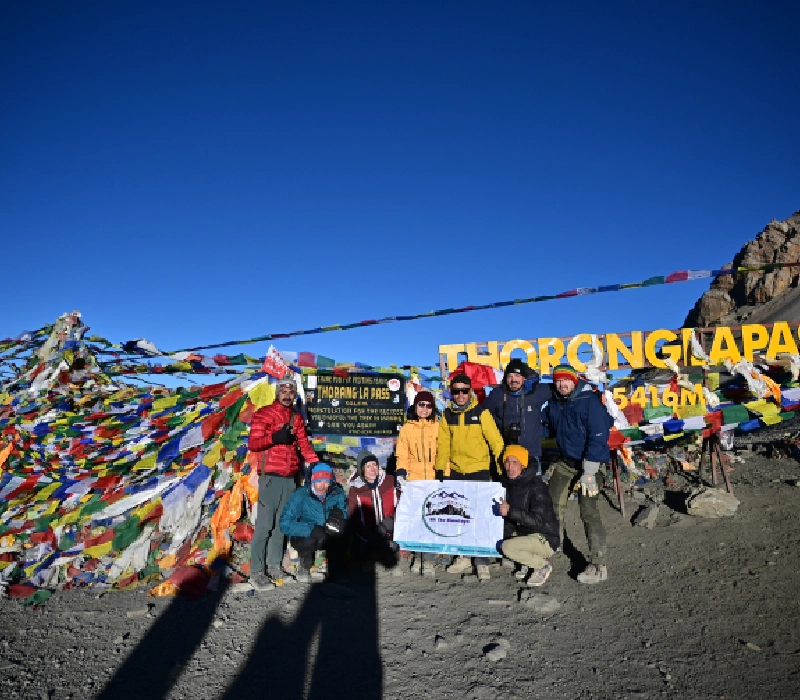
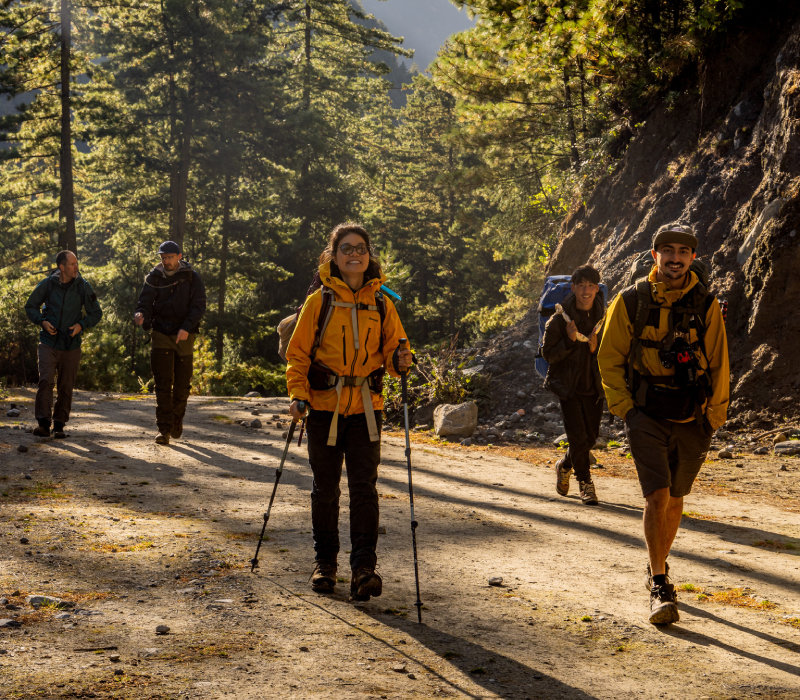
This trek takes you through the magnificent Tibetan towns of Nar and Phu, across the Kang La Pass (5320m), and along the way, which connects the Manang and Kali Gandaki valleys. It also includes a less-travelled route to Tilicho Lake. This pass-crossing offers you a more difficult and intriguing substitute for the well-known Thorong La Pass (5,416M) on the Annapurna Circuit. This is a journey full of exciting adventures that shouldn’t be missed.
| No. of people | Price P.P |
| 1 | US$ 1450 |
| 2 to 5 | US$ 1400 |
| 6 to 10 | US$ 1350 |
| 11 - Above | US$ 1350 |
Day 1 Welcome to Kathmandu
Day 2 Explore Kathmandu
Day 3 Drive from Kathmandu to Koto
Day 4 Trek from Koto to Meta
Day 5 Trek from Meta to Phu Village
Day 6 Acclimatization Day
Day 7 Trek from Phu Village to Naar Village
Day 8 Acclimatization Day
Day 9 Trek from Naar Village to Ngawal via Kang-La pass
Day 10 Trek from Ngawal to Manang
Day 11 Trek from Manang to Yak Kharka
Day 12 Trek from Yak Kharka to Thorong Phedi
Day 13 Tek from Thorang Phedi to Muktinath via Thorong-La Pass
Day 14 Drive from Muktinath to Tatopani
Day 15 Drive Tatopani to Pokhara
Day 16 Drive from Pokhara to Kathmandu
The above ↑ itinerary is just a standard layout. Feel free to reach out to us for customised Itinerary ♥
Since this is a restricted area trek, a minimum of two trekkers is compulsory.
I had the most incredible experience with Hit The Himalaya (HTH). From start to finish, every detail was expertly handled, allowing me to fully immerse myself in the breathtaking beauty of Nepal.
Bhupal, our guide, was absolutely amazing – knowledgeable, caring, and prepared for every aspect of the trek. The local porters were not only incredibly strong but also kind and accommodating, going the extra mile to ensure our comfort and safety.
What truly sets HTH apart is their commitment to supporting local communities and providing a genuinely authentic experience. By hiring local porters/guides, they ensured that we received insider knowledge and insights into the culture and traditions of Nepal.
I highly recommend Hit The Himalaya for anyone planning a trek in Nepal. Whether you have specific requests or want to customize your trip, Bhupal is happy to tailor it to fit your needs perfectly. With their professionalism, kindness, and care, HTH created an epic experience that I will cherish forever.
Had such a great experience with hit the Himalaya. Bhupal was a amazing guide, and really did his best to give us a great experience doing the Nar-Phu valley trek. A small group, with local porters who were so nice and accommodating. Coming from the area they had local knowledge and made our trip even better.
From the moment that my plane touched down at Kathmandu airport and I left the arrivals area, I was fully taken care of by Hit The Himalaya (HTH). All details and logistics were expertly handled which allowed me to be fully present during both of my treks with HTH. Local guides and porters were hired ensuring an authentic and meaningful cultural experience. Guides were very experienced, knowledgeable, caring, very kind and prepared. Hiking in Nepal was a dream trip of mine for a long time, and I am truly grateful to HTH for their expert care and guidance. I also love the fact that HTH is a small locally owned Nepalese company with a grounding of professionalism, kindness and care. I am immensely grateful to HTH for creating an epic trip that I will lovingly remember for the rest of my life!

If you’re planning a trekking adventure in Nepal—especially at high altitudes, it’s smart to arm yourself with the right insurance. Here’s what you need to know:
Based on altitude coverage, assistance services, and user recommendations, here are some top choices:
|
Trekking to Nar Phu Valley is a physically demanding activity, and it requires a good level of physical fitness. One should engage in regular cardiovascular and strength-building exercises for at least a few months before embarking on the trek. Exercises such as hiking, running, cycling, and strength training will help prepare the body for the rigours of trekking.
1. Ascend gradually: slow and steady wins
2. Take scheduled acclimatization days
On key treks with high elevation in Nepal
3. Recognize early symptoms and respond appropriately
These firsthand accounts reinforce why acclimatization planning and hydration are non-negotiable.
Acclimatization is the process of adapting to high altitudes. As you trek higher, the air becomes thinner, and the body needs time to adjust. Adequate acclimatization is essential to prevent altitude sickness, a potentially fatal condition. It is recommended to spend a few days at lower altitudes to allow the body to acclimatize before climbing higher.
Trekking to Nar Phu Valley is a challenging activity, and having a knowledgeable guide is essential for success. A guide will help navigate the route, provide information about the local culture, and assist in case of any emergencies. It is important to choose a guide who is experienced and knowledgeable about the trek.
Proper nutrition and hydration are crucial for maintaining energy levels and preventing altitude sickness. It is recommended to consume a high-carbohydrate and protein-rich diet to provide the necessary fuel for the body. It is also important to drink plenty of fluids to stay hydrated. It is recommended to carry a water purification system or tablets to ensure access to clean water.
Trekking to Nar Phu Valley is a mentally challenging activity. It requires patience, perseverance, and mental toughness. It is important to be mentally prepared for challenges and to have a positive attitude. It is also important to be aware of the risks and to take appropriate precautions.
Trekking to a restricted area of Nar Phu Valley is an opportunity to experience the unique local culture and environment. It is important to show respect for local culture and customs and to minimize environmental impact.
Basic first aid knowledge is essential for trekking to Narphu Valley and the Annapurna Circuit. It is important to know how to treat common injuries and illnesses, such as blisters, altitude sickness, and hypothermia. It is recommended to carry a basic first aid kit with essential items such as bandages, antiseptics, and pain relievers.